05.02.2026 16:15
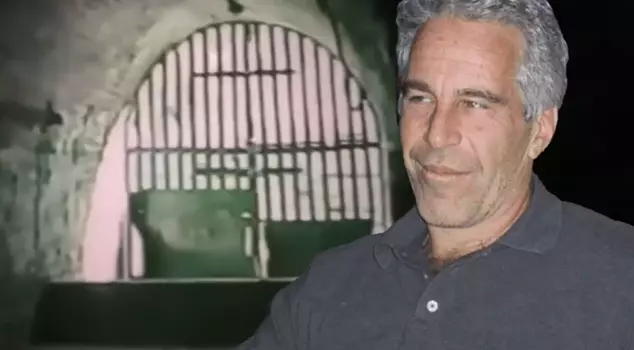
New images from the files of the pedophile pervert Jeffrey Epstein have further deepened the scandal by revealing dimly lit staircases leading underground, eerie rooms, and a network of secret tunnels believed to be used for discreet entry and exit. As one progresses through the interior, "manhole cover-like passages" leading to various points are identified; experts interpret these structures as "designed for discreet entry and exit."
The latest documents released in the Jeffrey Epstein investigation contain not only high-profile names and correspondences but also remarkable details about underground structures and secret passages.
A DARK TUNNEL CAPTURED
Among the files published by the U.S. Department of Justice (DOJ), photos and videos show a narrow tunnel network accessed by descending a dimly lit staircase. These passages open into rooms with a round ceiling and an unpleasant atmosphere below.
SECRET PASSAGES DETECTED
As one progresses through the interior, "manhole cover-like passages" leading to various points are detected; experts describe these structures as "designed for discreet entry and exit."
CIPHERED SYMBOLS FOUND
Such images indicate that the scope of the files is not merely superficial, similar to hundreds of thousands of photos and videos. Previous document sets also included Epstein's mansions, private island, and mysterious interior photos; among these are various striking images such as notable rooms like Rubin, dental equipment, and ciphered symbols.
THE WORLD IS TALKING ABOUT THESE DOCUMENTS
The process of making the Epstein files public involves reviewing and publishing large volumes of documents, with reports indicating there are millions of pages of files. In this context, newly emerged materials contain not only underground structures but also millions of additional documents and media content.
International media and human rights advocates express that there are still many uncertainties in the process of publishing the documents. Criticisms particularly point to excessive censorship justified by the need to protect the identities of victims. Some critics argue that the files should be opened transparently and that barriers must be removed for the public to see the truth fully.