16.05.2026 20:22
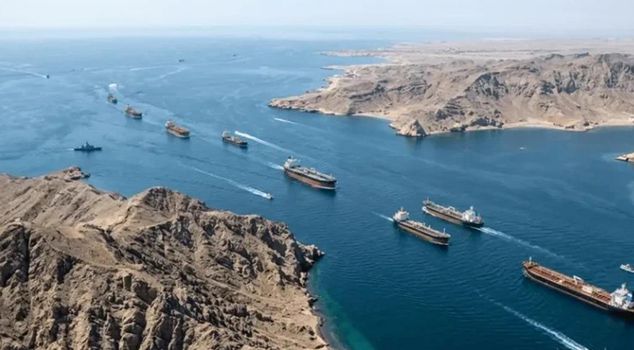
The closure of the Strait of Hormuz by the Tehran administration following the attacks carried out by the US and Israel on Iran on February 28 led to a massive crisis in global maritime trade. While it is reported that approximately 2,000 ships and 20,000 crew members are stranded in the region, the crisis is deepening due to insurance cancellations and security concerns.
With the escalation of military tension in the Middle East, the Strait of Hormuz, one of the world's most critical waterways for trade, has been completely blocked. In retaliation for the attacks launched by the US and Israel against Iran on February 28, the Tehran administration's closure of the strait triggered one of the largest logistical crises in maritime history.
GREAT CAPTIVITY IN HORMUZ
According to data reported by Iran's semi-official Fars News Agency, a "great captivity" has effectively begun in the region with the closure of the strait. It was reported that approximately 2,000 cargo ships and tankers are stuck in the strategic waterway, along with 20,000 crew members serving on these vessels, all stranded in the area. Uncertainty continues for thousands of sailors who have been waiting in the open sea for weeks.
EVEN WITH PERMISSION, THEY FACE SECURITY OBSTACLES
Diplomatic sources in the region indicate that some ships are able to transit through the Strait of Hormuz with special approval from Iranian authorities. However, despite these exceptional permits, many ships and personnel are refusing to use the strait due to the risk of conflict, high security concerns, and escalating tensions, choosing instead to wait.
INSURANCES CANCELLED, PORTS CLOSE THEIR DOORS
The economic dimension of the crisis has left shipping companies helpless. It has been alleged that some international shipping and insurance companies have cancelled the insurance policies of ships and personnel in the region due to war risk. It is emphasized that uninsured ships are not allowed to dock at various ports under international legal rules, further worsening the captivity at sea and the logistical gridlock, making it even more intractable.