22.05.2026 14:30
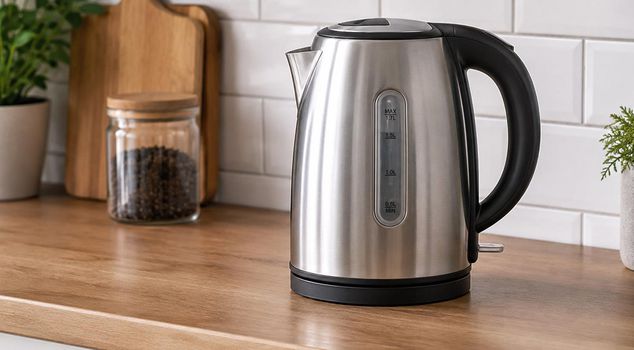
Experts warned that kettles containing plastic components may release microplastics due to high temperatures. While research reveals that the amount of microplastics mixing into water significantly increases as temperature rises, experts noted that stainless steel and glass models are safer.
Kettles, one of the most frequently used small household appliances in kitchens, have recently come back into the spotlight with microplastic debates. It is stated that models containing plastic components, especially those constantly exposed to high temperatures, may pose health risks. While scientists point out that prolonged contact of hot water with plastic surfaces can lead to microplastic release, experts recommend choosing safer alternative products.
RESEARCH HIGHLIGHTS MICROPLASTIC RISK
According to a study published in npj Emerging Contaminants, invisible microplastic particles can mix into water during the use of kettles containing plastic parts. Experts state that although these particles are not visible to the naked eye, they can be taken into the human body over time with regular use. The research noted that plastic materials such as polypropylene (PP), ABS, and polycarbonate may undergo structural degradation under high temperatures.
RELEASE INCREASES WITH TEMPERATURE
According to a Trinity College Dublin study highlighted by family physician Dr. Joseph Mercola, microplastic release significantly increases with water temperature in products containing polypropylene.
The study reported:
- Approximately 0.6 million particles per liter at 25 degrees,
- Approximately 55 million particles per liter at 95 degrees.
Experts remind that kettles reach these temperatures daily and note that the risk may be higher especially in low-quality plastic products.
MICROPLASTICS ALSO DETECTED IN HUMAN BODY
Many studies in recent years have revealed that microplastics are detected not only in seas but also in drinking water, salt, fish, human blood, and lung tissue. While the World Health Organization and scientific boards state that the long-term effects of microplastics on human health are still being researched, they emphasize the need for greater caution with plastic products that come into contact with heat.
WHICH MODELS DO EXPERTS RECOMMEND?
According to experts, the safest options include:
- Stainless steel,
- Glass,
- Ceramic kettles with clearly indicated inner surfaces.
It is noted that stainless steel is much less likely to release harmful substances when in contact with hot water, and these products are also more durable and do not alter the taste of beverages, which are among their advantages.