15.04.2026 10:00
The United States initiated a naval blockade against Iran and halted the country's maritime trade within 36 hours. CENTCOM Commander Brad Cooper stated, 'U.S. forces have completely stopped economic trade entering and leaving Iran by sea.' It was emphasized that 90% of Iran's economy depends on maritime trade, and the step was taken after failed peace negotiations, increasing regional tension.
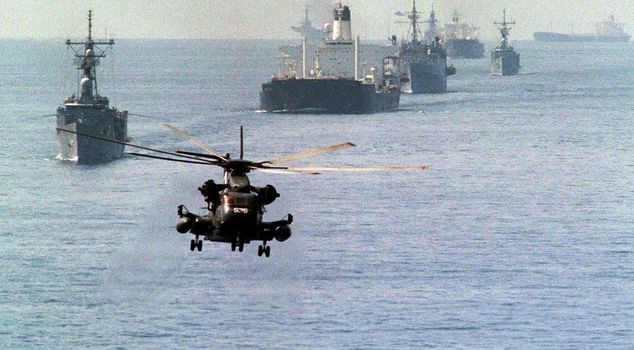
The US has escalated pressure on Iran to a new level by implementing a naval blockade. US Central Command (CENTCOM) Commander Admiral Brad Cooper announced that the blockade targeting Iranian ports is "fully enforced."
ECONOMIC TRAFFIC HALTED WITHIN 36 HOURS
In a statement made via social media, Cooper stated that all maritime trade with Iran was halted within 36 hours of the blockade's initiation. The statement included the words, "US forces have completely stopped economic trade entering and leaving Iran by sea."
US officials, noting that approximately 90% of Iran's economy depends on maritime trade, emphasized that this move would significantly increase economic pressure on Tehran.
CEASEFIRE COLLAPSED, BLOCKADE BEGAN
The US military initiated the blockade targeting Iranian ports on Monday. It was reported that this decision was made following the unsuccessful peace negotiations announced by US President Donald Trump over the weekend.
The Trump administration activated a strategy to simultaneously increase military and economic pressure after the diplomatic process with Iran collapsed.
TENSION RISING IN THE REGION
According to assessments in the international press, the US decision for a naval blockade directly targets Iran's energy exports and foreign trade. Experts state that this step could particularly affect oil shipments and cause fluctuations in global energy markets.
On the other hand, while no official signal of retreat has yet come from Iran, how the Tehran administration will respond to this move is a matter of curiosity.
THE WORLD ON THE BRINK OF A MAJOR CRISIS
Experts warn that the US naval blockade against Iran could have serious consequences not only regionally but on a global scale. It is stated that the largely halted maritime trade of Iran could lead to disruptions in energy supply, primarily oil and natural gas.
Analysts, noting that the Strait of Hormuz carries a significant portion of the world's oil trade, express that a possible escalation in the region could rapidly drive up global energy prices. It is assessed that this situation could re-trigger inflation and supply chain crises.
International economic circles point out that the "36-hour blockade move" could create a domino effect in global trade flows, while warning that if the process prolongs, the world economy could face a new wave of crisis.