18.11.2026 01:20
Nebahat Çehre, a master actress of Yeşilçam, called on actors who receive high fees to take a pay cut due to rising costs in the TV series industry. Stating that there is a great injustice between the earnings of set workers and some actors, Çehre said, "Actors who receive very high figures need to reduce their fees." In an industry where the cost of an episode of a TV series reaches approximately 30 million lira, it is reported that channels have asked producers to reduce costs by 25 percent.
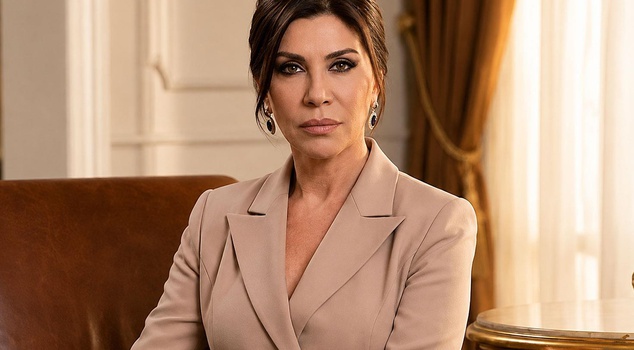
Nebahat Çehre, a master actress of Yeşilçam, has expressed her views on the cost crisis that has been discussed in the TV series industry for weeks. Speaking to Magazin Burada, Çehre said that actors who receive very high fees per episode should take a pay cut; she stated that there is an injustice between the earnings of these actors and the workers on the same set.
CALL FOR PAY CUTS FROM HIGH-PAID ACTORS
Çehre attributed a significant part of the industry's troubles to actor salaries. The master actress said: "There are many workers on set, and there is an injustice in terms of the money some actors working on the same set receive compared with them. Actors who receive very high figures need to reduce their fees."
Çehre's remarks came at a time when cuts in pay are being discussed.
EPISODE COST REACHES 30 MILLION LIRA
According to journalist Ali Eyüboğlu, the cost of an episode of a TV series, which ranged between 20-25 million lira last year, has risen to about 30 million lira this year. It is reported that television channels have asked producers to reduce costs by about 25 percent, and that shortening episode durations and reorganizing actor fees are on the agenda for this.
SHE RETURNED TO THE SCREEN WITH TUZLU KAHVE
Nebahat Çehre, who has been in front of the camera since the Yeşilçam era, is etched in audiences' memory as Firdevs Hanım in Aşk-ı Memnu and the Valide Sultan in Muhteşem Yüzyıl. This season, the actress plays the character Feryal in the TV series Tuzlu Kahve.
In recent days, Çehre also joined the debate that began with Haluk Bilginer's use of the phrase "Turkey's cinema" through a written statement, repeating the phrase "Turkish cinema" three times.