27.11.2026 09:30
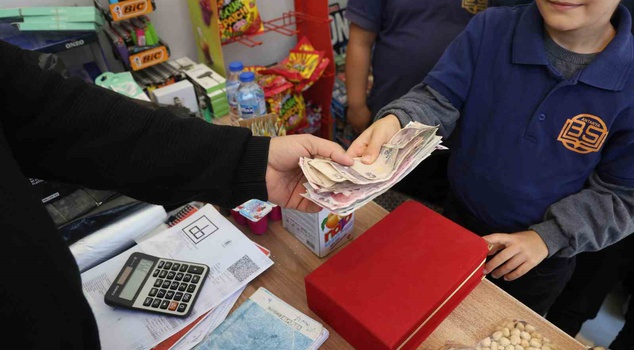
Fifth-grade students at Bedi Sabuncu Middle School in the Antakya district of Hatay saved their pocket money for a month to keep alive the zimem defteri tradition they learned about in social studies class. The students, who collected approximately 20,000 TL, paid off the debts of people they did not know in the neighborhood grocer's credit ledger. The people whose debts were paid off will learn about it when they come to the grocer.
Fifth-grade students at Bedi Sabuncu Secondary School in the Antakya district of Hatay saved their pocket money for a month to keep alive the zimem ledger tradition they learned in social studies class. The students pooled the pocket money they received from their families and, with approximately 20 thousand TL they collected, paid the debts of people they did not know in the neighborhood grocer’s credit ledger.
THEY LEARNED IT IN SOCIAL STUDIES CLASS
Fifth-grade students studying at Bedi Sabuncu Secondary School in Akevler Neighborhood of Antakya district learned about the zimem ledger tradition, which dates from the Ottoman period to the present, in social studies class. The students, who wanted to keep this tradition—based on paying the debts of those in need to grocers in the past—alive today, took action under the leadership of their teacher Mehmet Arslan. The students saved the pocket money they received from their families for about a month and combined the money they collected in a box. Bringing their money together, the students went to the neighborhood grocer and paid off some debts in the credit ledger. It was learned that with the contribution of all fifth-grade students, approximately 20 thousand TL was collected and the debts were paid off.
THEY DO NOT KNOW WHOSE DEBTS THEY PAID
Hatice Kübra Dönmez, who said they were keeping alive the zimem practice implemented about 600 years ago, said, “We are students at Bedi Sabuncu Secondary School. In social studies class, we learned about the zimem ledger tradition, which was practiced about 600 years ago. We wanted to carry this tradition to today. We saved our pocket money and consulted our teacher. When our teacher found it appropriate, we collected money in a box at Bedi Sabuncu Secondary School and came to our neighborhood grocer. Here we paid off the debts we identified. The people whose debts we paid do not know us, and we do not know them. The purpose of doing this is to keep alive a tradition from the past and to strengthen mutual assistance and solidarity. We are very happy because my friends and I helped someone. Maybe the person whose debt was paid truly needed it and would not have been able to pay it. We are glad we could help them,” she said.
Student Özgür Bilgin, who expressed that they were happy to keep the zimem ledger tradition alive, said, “Today, together with our friends, we collected the pocket money we saved in a box and came to a grocer near our school. To keep alive the zimem ledger tradition, which has come from the Seljuk period to the present, we paid off some debts here. We are very happy that my friends and I did such a good deed. Maybe the person whose debt we paid did not have the means to pay it. We feel good that we could help them. Thanks to this work, we learned the importance of love, respect, mutual assistance, and solidarity.”
Student Ahmet Furkan Temizkan, who said they were very happy to pay off the citizens’ debts, said, “A month ago, our social studies teacher told us about the ‘zimem’ ledger tradition. We also talked among our friends and saved the pocket money our mothers and fathers gave us, and we came to this grocer. We are very happy that we paid off some debts in the grocer’s credit ledger. Thanks to this work, we learned the importance of mutual assistance and solidarity. We are all very joyful that we could help someone,” he said.
DEBTORS WILL FIND OUT WHEN THEY COME TO THE GROCER
Teacher Mehmet Arslan, who stated that the students paid debts in the credit ledger with the money they collected from their pocket money, said, “We carried out such a study with our students to keep alive a tradition from our history that is included in the fifth-grade social studies curriculum. We explained to our students the practice known in the past as the ‘Zimem Ledger,’ which is used today as the credit ledger. Our students saved money from their own pocket money for a month. Then we went to our neighborhood grocer and said we wanted to pay off the debts of people who owed money. Our grocer did not know what the zimem ledger was either. Our students explained this tradition to him as well and paid the debts in the ledger. Our students do not know whose debts they paid. The people whose debts were paid do not know this yet either. When they come to the grocer to pay their debts, they will learn that their debts were paid by Bedi Sabuncu Secondary School students. Because goodness is contagious. I believe that our students’ showing this behavior without expecting anything in return and without knowing for whom they are doing good will positively affect both themselves and society. They did this work not to show it to someone, but because it came from their hearts. When we evaluate all our fifth-grade students, approximately 20 thousand TL was collected. I see our future in these students. If they learn these values, our society will never collapse; it will become stronger in unity and togetherness. We, as people of Hatay, experienced the earthquake, deprivation, and pain very closely. We saw how aid reached us during that period. Now our students are learning mutual assistance by experiencing it. Even though they are children of earthquake-affected families, they saved their tiny pocket money. There were students who gave one lira and students who gave 200 liras. What matters here is not the amount but the desire to do good,” he said.