04.11.2026 14:12
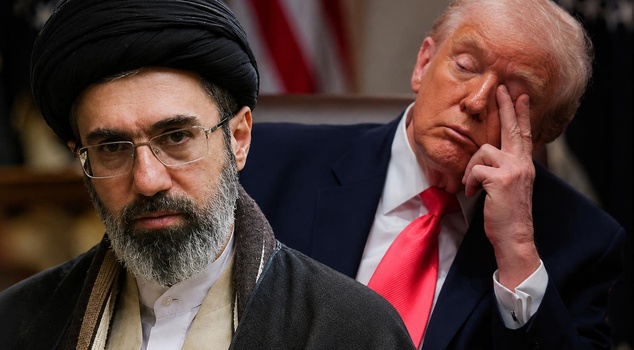
Iran's religious leader Mojtaba Khamenei argued that the results of the midterm elections in the United States would not change Washington's attitude toward Tehran. Stating that those seeking help from political changes in the US are mistaken, Khamenei warned that a new attack on Iran would be met with a much broader response. He also claimed that developments in the Strait of Hormuz have shaken the perception of US invincibility.
After the U.S. congressional midterm elections held on November 3, attention turned to Washington's Iran policy. While the Republican losses in the elections brought debates over whether the U.S. military and diplomatic approach in the Middle East would change, harsh messages came from Iran.
"THOSE WHO TRUST IN POLITICAL CHANGE IN THE U.S. ARE MISTAKEN"
In a statement attributed to Iranian leader Mojtaba Khamenei, it was argued that a change in the political balance of power in the U.S. would not mean a fundamental transformation in Washington's attitude toward Iran.
The statement said that those who hope party changes in the U.S. will change the country's approach toward Iran, or who think that Washington will abandon its hostile attitude through concessions, are greatly deluded.
In Khamenei's assessment, the message stood out that Iran should not tie its security to developments in U.S. domestic politics.
WARNING OF A MUCH BROADER RESPONSE TO A NEW ATTACK
The Iranian leader's military warnings against the U.S. and Israel also increased tension in the region. In an instruction he gave to senior military commanders on October 31, Khamenei demanded that a new attack against Iran be met immediately, effectively, and without geographic limitation.
Khamenei, who also requested that Iran's target list be updated, argued that Iran would decide when and under what conditions the attacks would end in a possible conflict.
These statements came at a time when reports were published that U.S. President Donald Trump could consider new military options against Iran after the elections.
MESSAGE TO THE U.S. VIA THE STRAIT OF HORMUZ
In the post-election assessment attributed to Khamenei, it was claimed that developments in the Persian Gulf and especially in the Strait of Hormuz shook the belief that the U.S. is invincible. The statement argued that the weaknesses of administrations that base their security more on foreign powers than on their own people had been exposed.
The Strait of Hormuz, which is of critical importance for global energy transportation, continues to be one of the most important issues in the conflict between the U.S. and Iran. Military activity in the region and reports of attacks on ships are also causing uncertainty in energy markets.
AGREEMENT BETWEEN THE U.S. AND IRAN STILL FAR AWAY
While mutual military threats continue, diplomatic efforts under Qatar's mediation are also ongoing. A senior Iranian official speaking to Reuters said in a statement on November 3 that Washington and Tehran are still far from reaching an agreement to end the war.
While the Iranian administration argues that its conditions must be accepted for negotiations, the U.S. side has not completely removed military options from the agenda. The parties' disagreements are especially concentrated on sanctions, military operations, and the reopening of the Strait of Hormuz.