25.10.2026 21:01
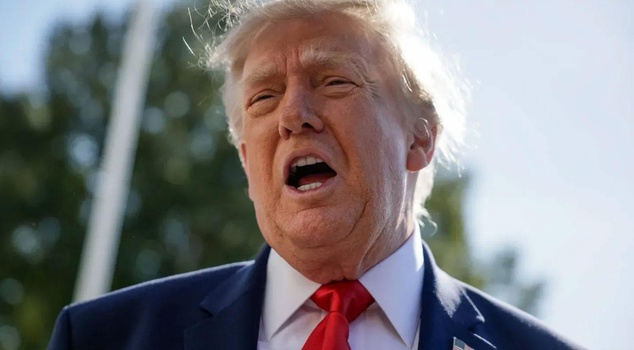
US President Donald Trump's description of Libya, Yemen, Somalia and Haiti as "terror-infected countries" led to a diplomatic crisis. Libya's Ministry of Foreign Affairs summoned the US chargé d'affaires in Tripoli to the ministry and handed over a protest note over Trump's remarks. Libya, demanding an official statement from the Washington administration and the correction of the statements in question, stressed that it will not accept the dignity of the country and its people being used as material for election debates in the US.
The Libyan Ministry of Foreign Affairs summoned the U.S. chargé d'affaires in Tripoli to the ministry over U.S. President Donald Trump’s derogatory remarks about Libya.
In a statement by the Libyan Ministry of Foreign Affairs, it was emphasized that mutual respect, protection of national sovereignty, and adherence to diplomatic norms are fundamental principles of relations between states.
A PROTEST NOTE WAS GIVEN TO THE U.S.
In the statement, it was stated that the U.S. chargé d'affaires in Tripoli was summoned to the ministry and handed a protest note due to Trump’s remarks.
It was conveyed that in the note, an official statement was made regarding Trump’s remarks and a request was made for the remarks to be corrected.
The statement also emphasized that the Ministry rejects any statements that would harm the dignity of Libya and its people as a sovereign state, undermine its reputation, or include them in election debates and internal political calculations.
TRUMP HAD SAID “INFECTED WITH TERROR” FOR 4 COUNTRIES
In reports reflected in the U.S. media, U.S. President Trump, in his speech at an election rally in the state of Georgia yesterday, used derogatory words targeting countries such as Libya, Yemen, Somalia, and Haiti, as well as the phrase “countries infected with terror.”
Libyan Prime Minister Abdul Hamid Dbeibah also reacted to U.S. President Donald Trump's “derogatory” words about Libya with the statements: “We maintain our relations with the U.S. on the basis of mutual respect, and we never accept that the dignity of Libya and its people become the subject of election debates.”