16.11.2026 16:31
Mucilage has reappeared in Bursa's Gemlik Bay. The marine mucilage imaged by diving teams at depths of 5 to 30 meters was determined to be concentrated especially after 10 meters. Fishermen in the region, stating that they have difficulty fishing due to the mucilage, described their distress with the words, "We cannot cast nets; our nets are covered in the sticky substance, fish are not biting. It also damages boat engines."
While mucilage (sea snot) was again observed by an underwater diving team at depths between 5 and 30 meters in the Gulf of Gemlik, fishermen in the region said that the mucilage was damaging their nets and boat engines.
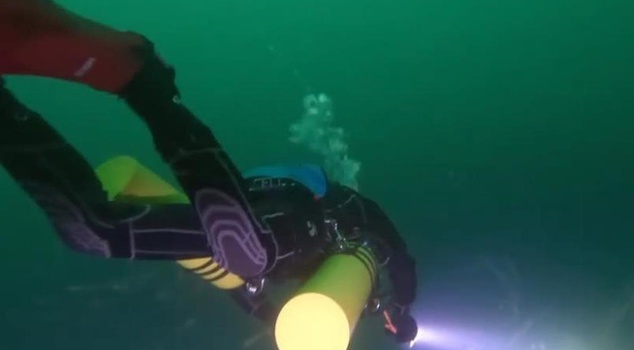
During the dive carried out between Gemlik Narlı and Kapaklı, the presence of mucilage was documented, and it was recorded that the mucilage, which started at 5 meters, descended to 30 meters and became especially dense after 10 meters. Gemlik Fisheries Cooperative President Hüseyin Dalarel, who made a statement on the issue, thanked Hikmet Orakçı, instructor at the Blue Pleasure Diving Center, who recorded the images, and his team.
"OUR NETS ARE COVERED IN SLIME, FISH ARE NOT BITING"
Expressing that the mucilage invasion that has started again in the gulf has left fishermen in a very difficult situation, Dalarel said the following:
"Mucilage has started again in the Gulf of Gemlik; we cannot cast nets, our nets are covered in slime, fish are not biting, and we have difficulty retrieving the nets. The mucilage nightmare seen at depths of 10 to 20 meters leaves fishermen in a difficult situation. It causes great damage. Our nets become cloudy and it also damages boat engines. The net-pulling rollers suffer great damage. Unfortunately, the Gulf of Gemlik is again under mucilage invasion."
DAMAGE OF MUCILAGE TO THE MARINE ECOSYSTEM AND FISHERIES
According to scientific research and expert reports, mucilage, known as sea snot, emerges as a result of the excessive proliferation of phytoplankton caused by rising sea water temperatures, excessive pollution, and the discharge of domestic/industrial waste into the sea. This structure, seen on the sea surface and underwater, especially between depths of 5 and 30 meters, and becoming denser after 10 meters, causes the following damage to the ecosystem and economic activities:
Gill Clogging and Fish Deaths: The dense sticky layer clogs the gills of fish and other marine creatures, preventing them from taking in oxygen and can lead to mass deaths.
End of Seabed Life: The mucilage layer settling in bottom sediments prevents sunlight from penetrating the water, drying out seagrasses and causing immobile creatures such as mussels, oysters, and corals to suffocate.
Fishing Activities Coming to a Standstill: It wraps around fishing nets, making them heavier, closes the mesh, and damages the rollers; thus, fishermen both lose nets and enter an economic dead end by being unable to fish.
Engine and Equipment Damage: It can leak into the cooling water systems of boat engines, causing malfunctions and navigation safety risks.