11.11.2026 16:00
Although snakes and scorpions are the first things that come to mind when the world's most venomous creatures are mentioned, there are much more dangerous species in nature. In particular, some creatures living in the seas can threaten human life with the powerful venoms they carry. At the top of these is the box jellyfish, which can kill the person it touches within minutes.
Some creatures living in nature, despite their small size, can cause fatal outcomes with the venoms they carry. When assessing the danger of venomous species, scientists take into account the potency of the venom, the amount transferred into the body, and its effects on humans. Therefore, although it is not easy to identify the world's most venomous creature as a single species, some species stand out with the powerful toxins they possess.
BOX JELLYFISH CAN KILL WITHIN MINUTES
The box jellyfish (Chironex fleckeri), which lives in Australia and the surrounding tropical waters, is considered one of the world's most dangerous venomous creatures. The powerful venom found in its almost invisible tentacles can affect the heart, nervous system, and skin when it comes into contact with the human body. This creature, which can lead to death in just a few minutes in severe cases, is listed among the marine creatures with the most lethal venom for humans.
GOLDEN POISON DART FROG
The golden poison dart frog (Phyllobates terribilis), which lives in the rainforests of Colombia, carries an extremely powerful toxin in its small body. This species, notable for its bright yellow color, carries its poison not by biting or stinging but through skin secretions. Its diet in its natural habitat plays an important role in the accumulation of toxins in its body.
INLAND TAIPAN
The inland taipan (Oxyuranus microlepidotus), which lives in Australia, is known as one of the world's most venomous snakes in terms of venom potency measured in laboratory conditions. However, because it lives in areas far from humans and rarely encounters humans, fatal cases are quite rare.
BLUE-RINGED OCTOPUS
Blue-ringed octopuses (Hapalochlaena), which live in the Indian and Pacific Oceans, attract attention with the bright blue rings on their bodies when they feel threatened. The powerful nerve venom called tetrodotoxin that they carry can cause muscle paralysis and respiratory failure. There is no specific antidote against this venom.
CONE SNAIL
The cone snail (Conus geographus), which lives in tropical seas, injects venom using a special harpoon-like structure to incapacitate its prey. The different toxins in its venom can affect the nervous system and lead to severe poisoning in humans.
STONEFISH
The stonefish (Synanceia), which is not easily noticed thanks to its appearance resembling rocks on the seabed, is known for the venomous spines on its back. If stepped on, it can cause very severe pain, tissue damage, and serious systemic effects.
DEATHSTALKER SCORPION
The deathstalker scorpion (Leiurus quinquestriatus), which lives in the arid regions of North Africa and the Middle East, is known for its venom containing powerful neurotoxins. Its sting can pose a serious danger, especially to children, the elderly, and people with health problems.
KING COBRA
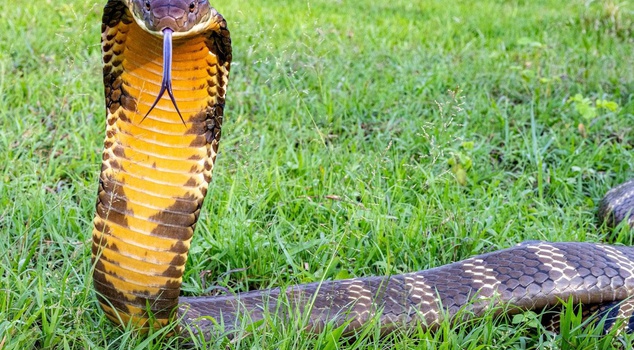
The king cobra (Ophiophagus hannah), known as the world's longest venomous snake, can transfer a high amount of venom in a single bite. Although the potency of its venom per unit amount is lower than that of some other snakes, it is among the extremely dangerous species due to the amount it can inject.
BRAZILIAN WANDERING SPIDER
The Brazilian wandering spider (Phoneutria), which lives in South America, is known for its powerful venom and defensive behavior. Its bites can cause severe pain and various nervous system symptoms. Severe poisonings can have more serious consequences, especially in children.
PUFFERFISH
Some pufferfish species can accumulate tetrodotoxin, especially in their liver, ovaries, and other tissues. This substance can block nerve transmission and cause paralysis and respiratory failure. Consuming improperly prepared pufferfish can lead to fatal poisoning.
MARBLED CONE SNAIL
The marbled cone snail (Conus marmoreus), which lives in the Indo-Pacific region, is one of the marine creatures that use venom for hunting. Its venom contains many different compounds that affect the nervous system. Therefore, people should not handle these creatures with bare hands.
BLUE-STRIPED POISON DART FROG
The blue-striped poison dart frog (Dendrobates tinctorius azureus), which lives in the tropical forests of South America, is known for its bright blue color. It can carry toxic alkaloids in its skin for defense. However, the potency of its toxins is not at the same level as that of the golden poison dart frog.