12.04.2026 08:20
No agreement was reached from the historic 21-hour talks held in Islamabad between the US and Iran. Although the parties reached a consensus on many issues, disagreements arose regarding the status of the Strait of Hormuz and the export of nuclear materials from the country. While the US accused Iran of not making commitments, Tehran criticized Washington's demands. Following the process, Pakistan called on the parties to maintain the ceasefire.
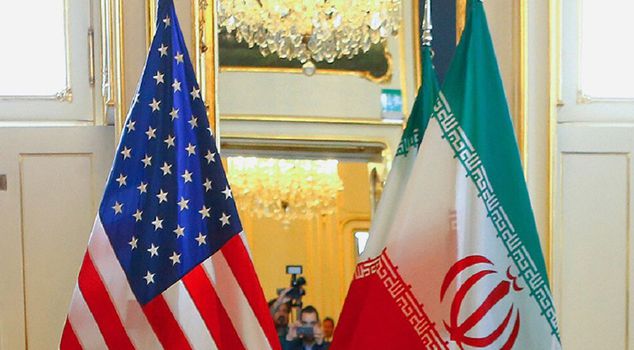
The first direct talks between the US and Iran since 1979 took place in Islamabad, the capital of Pakistan, but no agreement emerged from the summit that the world public was eagerly following. Following the process, Pakistan called on the parties to adhere to a ceasefire.
After nearly 21 hours of critical negotiations, both Washington and Tehran announced that the talks had ended without results. US Vice President JD Vance stated that Iran did not provide the expected commitments regarding its nuclear program, while the Iranian side attributed the responsibility for the disagreement to the US's "excessive demands."
IRAN: “WE REACHED CONSENSUS ON MANY ISSUES BUT…”
Iranian Foreign Ministry Spokesman Ismail Bekayi emphasized in a statement regarding the talks that progress was made on some issues. Bekayi stated, “We reached consensus on many points, but there were differences on two important matters, and therefore no agreement could be reached.”
Bekayi noted that the talks took place in an atmosphere of "mistrust" and said it was unrealistic to expect an agreement in a single session. He also added that Iran would continue its contacts in the region, particularly with Pakistan.
TWO CRITICAL ISSUES BLOCKING THE CRISIS
According to Iranian media, the two main issues that led to a deadlock in the negotiations were the status of the Strait of Hormuz and the removal of nuclear materials from the country. It was claimed that the Iranian delegation made various attempts for consensus, but the US demands prevented a common framework from being established.
The US side announced that the agreement could not be reached because Iran did not provide a clear and long-term commitment not to develop nuclear weapons.
US DELEGATION LEFT, NO NEW MEETING
After the talks, the US delegation left Islamabad, while the Iranian side announced that there was currently no plan for a new meeting. Thus, the direct contacts initiated between the parties ended without results in the first round.
CRITICAL CEASEFIRE CALL FROM PAKISTAN
Following the process, a notable statement came from Pakistan, which took on a mediating role. Pakistani Foreign Minister Ishaq Dar called on the parties to adhere to a ceasefire, emphasizing that tensions should not escalate again.
The Islamabad administration announced that it would continue its diplomatic efforts in the coming days to maintain dialogue between the US and Iran.