16.11.2026 07:20
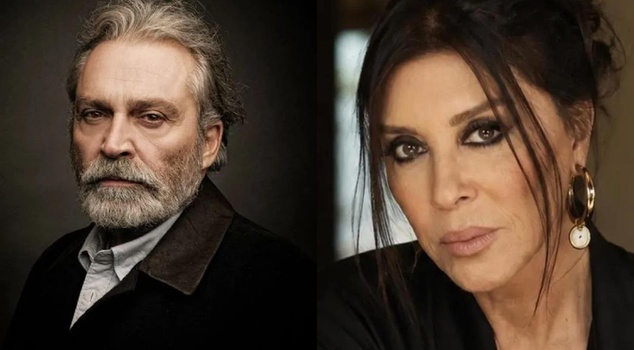
Nebahat Çehre has also joined the debate that began with Haluk Bilginer's "Turkish cinema" remark. Stating that her previous response was misunderstood, the veteran actress issued a written statement, repeating the phrase "Turkish cinema" three times and clearly setting out her stance in the debate.
Nebahat Çehre, one of Yeşilçam's veteran actresses, has joined the debate that began when Haluk Bilginer used the phrase "Turkey's cinema" instead of "Turkish cinema." Stating that her previous response to journalists was misunderstood, Çehre this time made a written statement to clarify her view. It drew attention that the veteran actress used the same phrase three times in a row.
HALUK BİLGİNER'S WORDS SPARKED DEBATE
Veteran actor Haluk Bilginer, in a program he attended, corrected the question "What do you think about Turkish cinema?" posed to him by saying "Turkey's cinema."
Bilginer's remark brought along debates over how cinema should be named. One of the names asked for their opinion on the matter was Nebahat Çehre, one of Yeşilçam's unforgettable actresses.
SHE SAID HER WORDS WERE MISUNDERSTOOD
Nebahat Çehre, who answered questions from members of the press at an event she attended, was asked, "Turkish cinema or Turkey's cinema?"
Stating that the answer she gave on the spur of the moment did not fully reflect her thoughts, Çehre chose to make a written statement to clear up the misunderstanding.
"TURKISH CINEMA, TURKISH CINEMA, TURKISH CINEMA!"
In her statement, Nebahat Çehre expressed her view in quite clear terms. The veteran actress repeated the same words three times and gave this message:
"In the interview we did on the spur of the moment, the words played a little trick on me.
Let's make a sweet correction right away: Turkish cinema, Turkish cinema, Turkish cinema!
Turkish cinema, to which I have devoted a lifetime of effort and in which I have proudly taken part. I think it is correct now."
Çehre's statement revealed that in the debate that began with Haluk Bilginer's words, her own preference was "Turkish cinema."