04.05.2026 04:41
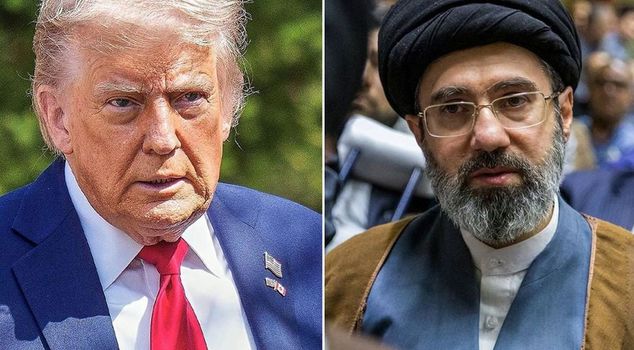
US President Trump evaluated Iran's Hormuz Strait plan in a meeting at the White House, but remained distant due to the proposal not including the nuclear program. US officials claimed that with Iran making no concessions, 'all exits locked as a solution to war,' while Washington is reported to aim to force Tehran into an agreement through economic pressure.
According to a report by The New York Times, citing anonymous sources, U.S. President Donald Trump was briefed on Iran's plan regarding the Strait of Hormuz during a high-level meeting at the White House Situation Room on Monday. The proposal was put on the table, but the key question in Washington remained the same: What would Trump say?
DETAILS OF THE PROPOSAL EMERGE
Numerous U.S. and Iranian officials speaking to the newspaper stated that the proposal did not include any concrete steps regarding Iran's nuclear program. The Tehran administration has previously rejected U.S. calls to completely halt uranium activities, arguing that it has the right to enrichment under international law, and has been unwilling to hand over its enriched uranium stockpile.
CONCERN OVER "GIVING UP A VICTORY"
According to a U.S. official who wished to remain anonymous, accepting the proposal could mean "giving up a victory" for Trump in the public eye. This further complicates the calculations within the White House.
RED LINE MESSAGE
White House Deputy Press Secretary Olivia Wales made a statement that did not completely close the door but gave a clear message: "The United States does not negotiate through the press. Our red lines are clear. The President will only accept an agreement that is right for the American people and the world."
"PREVIOUS PROPOSAL ALSO REJECTED"
The proposal from the Iranian side was first brought to the agenda by the U.S. media outlet Axios. According to the report, Iranian Foreign Minister Abbas Araghchi conveyed the offer through Pakistani mediators. The plan envisioned extending or making the ceasefire permanent, while nuclear negotiations would only begin after the reopening of the Strait of Hormuz and the lifting of restrictions.
"ALL EXITS BLOCKED"
However, according to reports, a much harsher picture exists behind the scenes. It emerged that Trump rejected another proposal from Iran last week and abruptly canceled talks planned for the weekend in Islamabad, the capital of Pakistan. U.S. officials alleged that Iranian negotiators did not make concessions on the nuclear program, which "blocked all possible exits to a solution through war."
WHAT WAS TRUMP'S RESPONSE?
And following all these developments, the expected response came: The Trump administration remained distant from Iran's latest proposal as well. The debate in White House circles now focuses on another point: how much longer the U.S. blockade of the Strait of Hormuz can pressure Iran's economy. According to the New York Times, oil production has exceeded storage capacity, and shutting down wells carries a serious risk of damage. Some within the administration believe this pressure will force Iran into an agreement.
However, those with opposing views argue that Tehran has moved into a more dominant position against Washington, especially after Trump participated in attacks on Iran alongside Israel.