13.07.2026 10:11
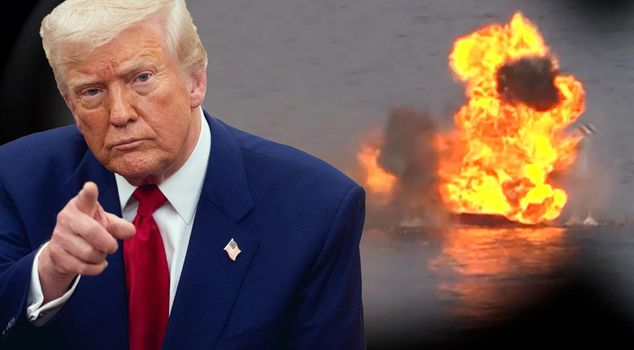
A first in warfare occurred amid the escalating tension between the US and Iran. The US Central Command (CENTCOM) announced that in the latest operation against Iran, it used one-way attack unmanned surface vehicles (USVs) for the first time. After the operation, which also involved next-generation naval and aerial drones, military activity in the Strait of Hormuz increased further, and tensions in the region once again peaked.
The United States Central Command (CENTCOM) announced that in the latest operation around the Strait of Hormuz targeting Iran, it used fighter jets and warships, as well as for the first time, one-way attack unmanned surface vehicles (USVs) and aerial drones.
The command stated that the operation aimed to weaken Iran's military capacity around the Strait of Hormuz, but did not share details on the number and model of the unmanned systems used.
IRANIAN TARGETS HIT
According to CENTCOM's statement, the operations targeted Iranian air defense systems, coastal radars, missile and UAV infrastructure, as well as small military naval elements.
Following the US attacks, Iran also retaliated. Iran's Revolutionary Guards announced that it conducted missile and unmanned aerial vehicle strikes against US military assets in the region. As air raid sirens were activated in Bahrain, tensions in the region soared again.
US NEXT-GENERATION DRONES ON THE FIELD
The US LUCAS (Low-Cost Unmanned Combat Attack System) aerial drones, previously deployed, also took part in the operations.
It is stated that the LUCAS systems, developed based on Iran's Shahed-136 kamikaze UAVs, are produced to conduct low-cost but high-impact strikes.
"SEA KAMIKAZES" WORTH 2 MILLION DOLLARS
Carl Schuster, former Director of the US Pacific Command Joint Intelligence Center, told CNN that the US-developed next-generation fleet-class USVs can reach speeds exceeding 40 miles per hour and are designed for one-way "suicide attacks."
Schuster stated that the cost of each vehicle is over 2 million dollars, but it is extremely difficult to stop them.
CRISIS IN THE STRAIT OF HORMUZ ALSO HITS MARKETS
Developments in the Strait of Hormuz, through which about one-fifth of the world's oil and liquefied natural gas trade passes, also affected global markets.
After the reciprocal attacks by the US and Iran over the weekend, Brent crude oil rose by more than 4 percent, while gold per ounce sharply declined due to the strong dollar and rising bond yields.
Experts warn that if tensions in the Strait of Hormuz persist, new fluctuations in energy markets may occur.