25.08.2026 07:50
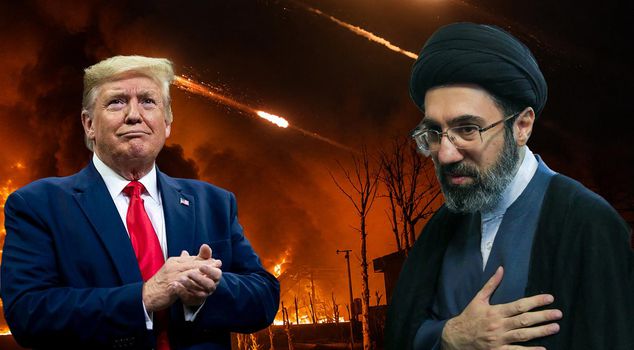
The US has activated a comprehensive economic sanctions operation targeting Iran's financial, oil, technology, gold, aviation, and maritime connections. While Washington sent the message, 'We will cut off all the lifelines that keep Iran alive,' Tehran warned that they could target US vital interests and global energy transit points. It was reported that Pakistan initiated a mediation effort to de-escalate the rising tension.
The United States has announced that it has implemented one of the harshest economic sanction packages ever imposed on Iran. While the Washington front stated, "We will cut off all lifelines keeping Iran alive," the Tehran administration warned that they could respond to these economic pressures with a military and strategic attack.
"ZERO LEAKAGE" POLICY FROM THE US
US Treasury Secretary Scott Bessent described the new process initiated against Iran as the "Economic Exile" operation. Bessent, stating that they would implement a zero-leakage policy on sanctions, said that any institution, including foreign bank branches that help Tehran launder money, would be removed from the dollar system. In this context, it was emphasized that no country, including China, is above US sanctions. The Treasury Department blacklisted approximately 60 institutions, individuals, and ships operating in nuclear, missile, cyber, and oil networks; it also directly targeted five critical sectors: digital assets, technology, gold, aviation, and maritime.
On the other hand, US Defense Secretary Pete Hegseth added a military dimension to the issue, claiming that if Iran were to contend with the American army, they would not hesitate to conduct "kinetic attacks," and that the control of the Strait of Hormuz is in their hands.
COUNTER-MOVE FROM TEHRAN: LET THEM WAIT FOR OUR ATTACK
Tehran's response to Washington's heavy economic blockade was quite harsh. Iran's Economy Minister Ali Madanizadeh, describing the initiated process as an act of economic terrorism, gave the message that Iran could move from a defensive position to an offensive one. Madanizadeh, arguing that China and Russia will not bow to US pressure, stated that they know how to play the game. Iranian Revolutionary Guards Spokesman Brigadier General Hossein Mohebbi went further, announcing that if Iran's infrastructure is targeted, they will inflict heavy blows on US vital interests and global energy transit points.
CRITICAL MEDIATION FROM PAKISTAN
In the midst of this escalating hot tension in the region, Pakistan stepped in, taking steps to reduce the tension. It was announced that significant progress was achieved in the contacts held with Iranian officials by Pakistan's Chief of Army Staff Asim Munir, who went to Tehran following his meeting with US President Donald Trump. According to statements by Pakistan's Interior Minister Mohsin Naqvi, constructive exchanges of views were held on preventing further escalation of the conflict between the parties, reopening the blockaded Strait of Hormuz to world trade, and ending the state of war through negotiation as soon as possible.