19.11.2026 05:40
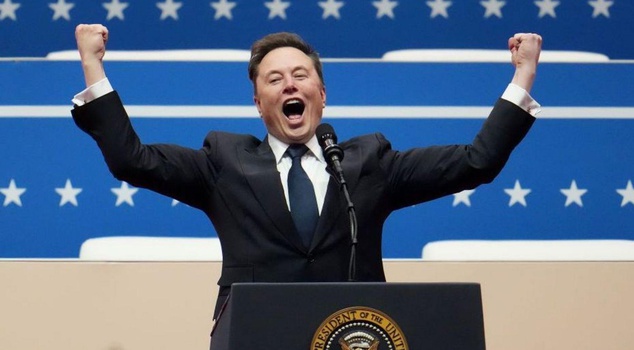
Elon Musk, the largest individual donor to Republicans in the US midterm elections, said he felt "pretty stupid" about his $446 million spending after the party's heavy defeat. Joining The New York Times' DealBook Summit online, Musk said, "I'm not MAGA." Ken Paxton, whom Musk supported in Texas with at least $45 million, also lost the Senate race to Democrat James Talarico.
Tesla and SpaceX CEO Elon Musk said he felt "pretty stupid" about the record amount he spent on the US midterm elections. According to BBC News, Musk made this statement after Republicans suffered a heavy defeat in the elections.
Musk was the largest individual donor to the election campaign. Musk, who spent $446 million (£339 million) to support President Donald Trump's party, used a significant portion of this money in Texas, where his companies' headquarters are located.
"I'M NOT MAGA," HE SAID
Musk, who had also supported Trump's second presidential run, stated that he was not part of the "Make America Great Again" (MAGA) movement identified with Trump.
Joining the New York Times DealBook Summit in New York online, Musk said, "I'm not MAGA," and added: "I'm not sure what MAGA means. If it means blind allegiance to a set of Republican Party policies, I definitely don't have that."
Musk said he did not really see much return on the money he spent on the Republicans' campaign, but that without this spending, the candidates would probably have fared even worse.
$45 MILLION DEBACLE IN TEXAS
In the midterm elections, Democrats won control of both the Senate and the House of Representatives. Texas, Ohio and other states also moved away from Trump. Trump is under pressure due to the effect of his policies on the cost of living.
One of the most striking results of the elections occurred in Texas: Democrat James Talarico defeated Republican Ken Paxton for the US Senate seat. According to BBC analysis, Musk had spent at least $45 million to support Paxton.
Democrats, meanwhile, promised stricter oversight of technology companies, including the establishment of controversial data centers.
Source: BBC