26.10.2026 08:50
Gold prices saw a sharp decline as rising tensions in the Middle East and soaring energy prices increased inflation concerns. While gold per ounce fell to as low as $3,978, approaching its lowest levels in three months, gold per gram saw 6,364 lira. As gold per gram trades at 6,411 lira, investors’ eyes turned to the central banks’ interest rate decisions to be announced this week.
Global markets began the new week with volatility in gold prices. The ongoing conflicts in the Middle East increasing energy costs and uncertainties regarding central banks' interest rate decisions changed investors' expectations for gold, which they see as a safe haven.
GOLD AT ITS LOWEST LEVEL IN THREE MONTHS
Spot gold declined below $4,000 on the first trading day of the week and hovered near its lowest levels in more than three months.
Starting the day at $4,001, spot gold fell to $3,978 during the day. The precious metal saw a high of $4,016 and, according to the latest data, is trading at $4,008.
The decline in gold prices was influenced by rising global inflation expectations and assessments that central banks may keep interest rates high for a long time.
LATEST SITUATION IN GRAM GOLD
The effect of the decline in spot gold was also felt in domestic gold prices.
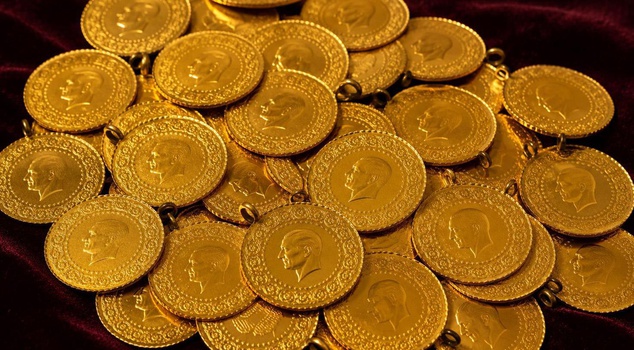
Gram gold started the day at 6,390 lira and saw its lowest level of the day at 6,364 lira. Rising to a high of 6,426 lira, gram gold is finding buyers at 6,411 lira according to the latest data.
Due to volatility in the markets, investors are closely following both the course of spot gold and movements in the exchange rate.
TENSION IN THE MIDDLE EAST PRESSURES GOLD
The ongoing tension between the US and Iran is among the most important agenda items in global markets.
It is reported that the Trump administration is evaluating the options of reaching a diplomatic agreement with Iran or continuing military operations after the upcoming midterm elections.
News that Tehran is preparing retaliation against possible attacks and that Israel and the United Arab Emirates could be targeted also increases uncertainty in the region.
The sharp rise in energy prices due to conflicts in the Middle East strengthens global inflation concerns and causes interest rate expectations to reshape.
EYES ON THE FED'S RATE DECISION
One of the developments that will determine the direction of gold prices will be the central bank decisions to be announced this week.
While the US Federal Reserve is expected to keep its policy rate unchanged, the possibility of a rate hike in December is also being evaluated by the markets.
Central banks in the Eurozone and Japan are also expected to maintain their current interest rates.
The expectation that rates will remain at high levels can reduce the attractiveness of gold, which has no interest yield, for investors. Therefore, investors are focused on the messages coming from central banks.
WILL GOLD PRICES RISE AGAIN?
Developments in the Middle East, energy prices, inflation data and central bank rate decisions will be determinant in gold's course in the coming period.
Although geopolitical risks may support safe-haven demand, rising rate expectations create downward pressure on gold. The balance between these two factors will play an important role in whether volatility in prices continues.