31.10.2026 18:31
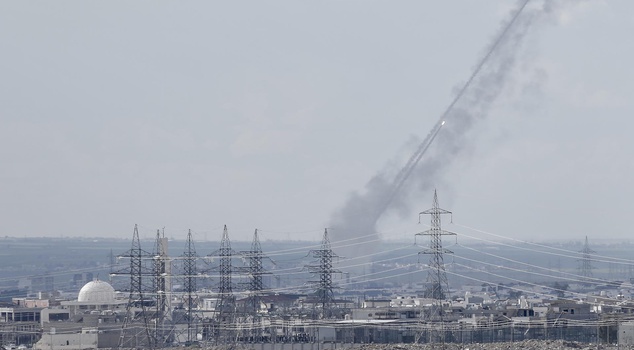
According to an investigation by the US-based Associated Press using satellite imagery and local officials, more than 115 drone and missile attacks claimed by Iran and Iran-backed groups by the end of August damaged 26 US military bases in the Middle East. It was stated that the attacks first targeted early warning systems, that the cost was billions of dollars, and that the US withdrew most of its assets from the Persian Gulf.
Investigations by the US-based Associated Press (AP) news agency have revealed that Iran's attacks on more than 20 US bases in the Middle East focused on early warning systems before hitting aircraft and buildings and caused billions of dollars in equipment damage.
As a result of satellite imagery and interviews with local officials, AP published a report on the damage caused by Iranian attacks on US bases.
MORE THAN 115 ATTACKS, 26 BASES
According to the report, by the end of August, more than 115 drone or missile attacks claimed by Iran or Iran-backed militia groups had damaged or destroyed buildings at 26 US military bases in the Middle East and other facilities where US-owned equipment was located.
Before attacking the bases, Iran targeted aircraft hangars and attack early warning systems, paving the way for larger attacks.
MOST ASSETS WITHDRAWN FROM THE PERSIAN GULF
The cost of the Iranian attacks, especially at bases in Kuwait, is said to be in the billions of dollars.
Two regional officials said that this damage inflicted by Iran on US bases has significantly reshaped the US presence in the Middle East and that the US has withdrawn most of its assets from the Persian Gulf.
One of these officials said that these include aircraft, air defense systems, communications systems and other equipment vital to base operations.
PENTAGON: OUR BASES ARE WELL PROTECTED
While there was no comment from the US Central Command (CENTCOM) on the matter, US Department of Defense Spokesperson Sean Parnell spoke to AP.
Parnell said, 'Our bases are well protected, and the US military is stronger than ever.'