20.11.2026 23:43
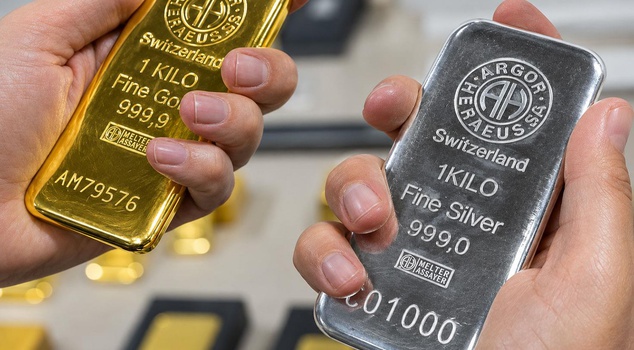
In global markets, the ounce price of gold fell to its lowest level since September 2025 due to expectations of aggressive Fed rate hikes and the impact of a sell-off in artificial intelligence stocks. While gold per ounce dropped to $3,516, its weekly loss reached 9%, and its depreciation since its peak at the beginning of the year reached 37%. The ounce price of silver also fell to $41 with a decline exceeding 4%.
In global markets, the ounce price of gold has fallen to its lowest level since September 2025, amid expectations that the US Federal Reserve (Fed) may raise interest rates more aggressively and selling pressure triggered by the sharp decline in artificial intelligence stocks.
THE STEEPEST WEEKLY DROP IN OVER A YEAR
The ounce price of gold, which lost 4.62 percent last week, also started the first trading day of this week with a decline. Carrying its downward trend into the fifth trading day, the ounce price of gold lost about 9 percent on a weekly basis, heading for its sharpest weekly decline since March.
As of 22:20, spot gold is trading at $3,516, down 3.2 percent from the previous close.
THE DECLINE CONTINUES IN SILVER AS WELL
The decline in gold prices was also reflected in silver prices. The ounce price of silver fell to $41 with a loss exceeding 4 percent. Platinum and palladium prices also lost 4 percent and 2.5 percent, respectively.
EXPECTATION OF A FED RATE HIKE INCREASED SELLING PRESSURE
Comments by Fed Board Member Christopher Waller that a 50 basis point rate hike should be considered at the December meeting, instead of the 25 basis points expected by the market, were effective in the selling pressure in the markets.
With growing inflation concerns, US 10-year Treasury yields settling at the 5 percent level increased pressure on precious metals, which do not offer interest income.
On the other hand, the selling wave in global stock markets, led by artificial intelligence stocks and reaching the longest streak of the past three years, also spread to commodity markets.
THE EFFECT OF THE US-IRAN WAR ON INFLATION
Analysts note that the US-Iran war, which began at the end of February, has fueled inflation by increasing energy costs and postponed expectations of interest rate cuts to after 2027.
Some analysts, however, drew attention to the fact that the sharp price movements in the market stemmed from a "liquidity gap" created by buyers withdrawing from the market rather than large-scale fund outflows.
A 37 PERCENT LOSS
Meanwhile, the ounce price of gold has lost more than 37 percent since its historic peak of about $5,600 recorded at the start of the year.