12.11.2026 08:40
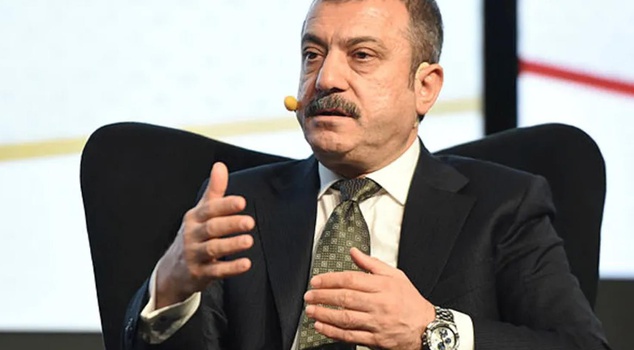
After allegations about him came to the fore within the scope of the fund investigation, a striking detail has emerged regarding Banking Regulation and Supervision Agency (BDDK) Chairman Şahap Kavcıoğlu, who requested to be relieved of his post by President Recep Tayyip Erdoğan. Under Article 103 of the Banking Law, if he meets the legal conditions, Kavcıoğlu may continue to receive his salary and other payments for up to 2 years after leaving office.
In the fund investigation conducted into transactions in the capital markets, after some names from the banking bureaucracy were also included in the file, BDDK Chairman Şahap Kavcıoğlu announced that he had requested to be relieved of his post. Following Kavcıoğlu’s statement, Article 103 of the Banking Law, which regulates the payments to be made to board chairmen and members who leave office, drew attention.
HE ASKED PRESIDENT ERDOĞAN TO RELIEVE HIM OF HIS DUTY
BDDK Chairman Şahap Kavcıoğlu made a statement on his social media account after allegations concerning the institution and himself came to the agenda. In his statement, Kavcıoğlu used the following expressions:
“Following the recent allegations concerning the Banking Regulation and Supervision Agency and myself, in order for our Institution not to be worn down further, I have requested that our esteemed President, Recep Tayyip Erdoğan, relieve me of my duty. I offer my deepest gratitude to our esteemed President, who has entrusted us with these duties until now. Respectfully announced to the public.”
HE MAY RECEIVE PAYMENTS FOR 2 YEARS
Following Kavcıoğlu’s request to leave his post, the regulation in Article 103 of the Banking Law came to the agenda. The article in question allows persons whose board chairmanship and membership have ended to continue receiving their salary and other payments under certain conditions.
According to the regulation, those appointed to the board while they were public officials can, after leaving their post, apply to their former institution and be appointed to a suitable position. Until the appointment takes place, their payments are covered by the BDDK. Those who were elected as board chairman or member while not working at a public institution, on the other hand, can continue receiving their payments until they start another duty or job.
The law states that payments to be made within this scope cannot exceed two years. Therefore, whether Kavcıoğlu can benefit from this right depends on the completion of the process of leaving his post and the relevant legal conditions.
WHAT DOES ARTICLE 103 OF THE BANKING LAW SAY?
The relevant article of the law contains the following statements:
“Article 103 — The relations of those appointed as Chairman and members of the Board with their previous duties are severed for as long as they serve on the Board.
However, those appointed as members while they were public officials, provided that they do not lose the conditions for entering civil service, shall, if their term of office ends or they request to leave their post and apply to their former institutions within thirty days, be appointed by the authority empowered to make appointments to a position suitable for their acquired rights within one month.
Until the appointment takes place, all kinds of payments they are receiving shall continue to be made by the Institution. For those who were not working at a public institution and were elected as Chairman or member of the Board and whose duty has ended in the manner specified above, all kinds of payments they are receiving shall continue to be given by the Institution until they start any duty or job.
The payment to be made by the Institution to those whose membership has ended for the reasons specified in this article cannot exceed two years.”