29.10.2026 15:44
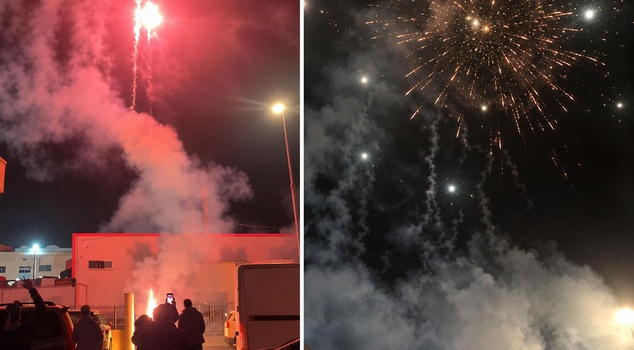
In the first general elections held in Israel after October 7, 2023, the parties representing Palestinian citizens of Israel winning a total of 18 seats, according to exit polls, was met with enthusiasm in cities with a dense Arab population. Crowds pouring into streets and alleys in Lod, Kafr Manda, Tayibe, and Nazareth held celebrations with fireworks and vehicle convoys.
After the first general elections held in Israel after October 7, 2023, while attention turned to how the new government would be formed, celebrations began in cities with a dense Arab population after parties representing Palestinian citizens of Israel achieved significant gains according to exit polls.
CELEBRATIONS IN CITIES WITH A DENSE ARAB POPULATION
In the cities of Lod, Kafr Manda, and Tayibe, after the election results were announced, many Palestinian citizens of Israel poured into the streets and avenues for celebrations. Fireworks were set off in some areas, while in others convoys of vehicles were formed and joyous demonstrations were held.
In the city of Nazareth, supporters who gathered at the election centers of Arab parties greeted the results with celebrations.
ARAB PARTIES IN A KEY POSITION WITH 18 SEATS
According to exit polls announced after the general elections held in Israel, the opposition bloc led by former Chief of Staff Gadi Eisenkot won 52 seats, while the ruling bloc led by Prime Minister Benjamin Netanyahu won 50 seats. Thus, while neither bloc reached the 61 seats needed to form a government in the 120-seat Knesset, coalition uncertainty emerged in the country.
The Joint List, formed by the Hadash, Taal, and Balad parties representing Palestinian citizens of Israel, won 11 seats, while the Raam Party (United Arab List) led by Mansur Abbas won 7 seats. Thus, the number of seats held by Arab parties, which had won a total of 10 seats in the previous elections, rose to 18.
With neither bloc able to secure a parliamentary majority, the Arab parties, which won a total of 18 seats, became key to the process of forming the new government.