24.08.2026 12:20
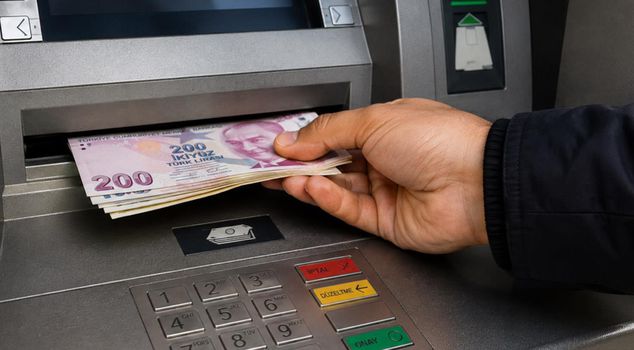
With the new technical regulation implemented in the banking sector, the rules for cash withdrawals at ATMs have changed completely. While 10, 20, and 50 TL banknotes have been completely removed from the device cassettes, a "multiple transaction" requirement has begun for citizens.
The infrastructure transformation quietly implemented by the banking sector to optimize logistics processes and cash flow has directly affected daily cash usage habits. In order for machines with limited physical cassette capacity to meet intense cash demand, small denominations of 10, 20, and 50 TL have been withdrawn from ATM cassettes.
INTERMEDIATE AMOUNTS REJECTED: THE "MULTIPLE TRANSACTION" ERA
While cassettes are predominantly filled with 100 and 200 TL banknotes, minimum withdrawal limits and amount division rules have also been updated. Now, due to the absence of small banknotes in the devices, intermediate amounts cannot be withdrawn.
For example; citizens who want to withdraw 350 TL from an ATM containing only 200 TL banknotes encounter a "transaction failed" warning because the system cannot divide the money into denominations. Customers are forced to choose amounts that are exact multiples of the banknote in the machine, such as 200 TL or 400 TL.
WHY DID BANKS MAKE THIS DECISION?
Financial experts and industry representatives point out that operational efficiency and massive cash transportation costs lie behind this radical decision:
- Reducing Logistics Costs: Filling device cassettes with the highest value banknotes reduces the frequency of cash replenishment.
- Service Continuity: Since the machines' money runs out later, the downtime of ATMs is minimized.
- Promoting Digital Payments: It is aimed to reduce cash usage in small-amount expenditures and direct citizens to contactless card and mobile payment methods.
With this system, which has been gradually implemented across the country, the era of withdrawing coins and small banknotes from ATMs has officially come to an end.