11.11.2026 09:41
Prof. Dr. Hamza Bozkır from SUBÜ, warning against wild mushrooms frequently seen in nature in rainy weather, said that the silver spoon and onion tests used among the public have no scientific validity. Bozkır, noting that mushrooms eaten by insects can also be fatal to humans, emphasized that detecting toxins by taste or smell is impossible and that poisonings can result in transplantation and death.
Prof. Dr. Hamza Bozkır, Head of the Food Processing Department at Sakarya University of Applied Sciences (SUBU) Pamukova Vocational School, warned that wild mushrooms, which have started to be seen more frequently in nature due to rainy weather, may cause serious health problems and death.
Stating that traditional methods used among the public to determine whether a mushroom is poisonous have no scientific validity, Prof. Dr. Hamza Bozkır, Head of the Food Processing Department at Sakarya University of Applied Sciences (SUBU) Pamukova Vocational School, stated that misdiagnoses can lead to fatal consequences and that consuming cultivated mushrooms instead of collecting them from nature may be healthier.
THE SILVER SPOON AND ONION TEST DOES NOT WORK
Referring to false beliefs among the public, Prof. Dr. Hamza Bozkır said, "Mushrooms consumed by insects and snails can also be fatal to humans. For example, snails and insects can easily consume mushrooms such as Amanita phalloides, which contain toxins fatal to humans. This is because the physiologies of these living things differ from human metabolism. The darkening of a mushroom when cooked with a silver spoon or onion does not indicate that it is poisonous either. This situation is a chemical reaction that occurs as a result of some enzymes in the mushroom coming into contact with oxygen. Mushrooms with a good taste or pleasant smell can also be poisonous. It is impossible to detect toxins with a taste or smell test," he said.
THE SPECIES THAT CAUSES THE MOST DEATHS
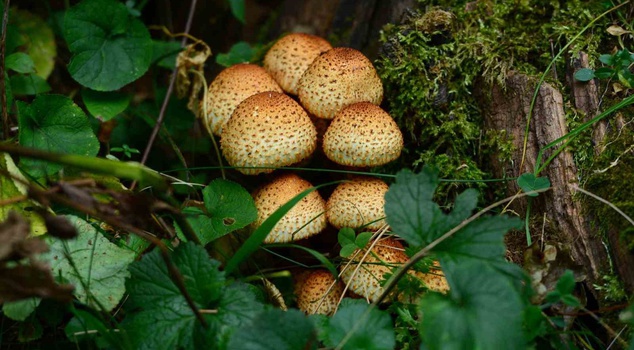
Providing information about the poisonous mushroom species that may be encountered in the forests of Sakarya, Bozkır said, "Amanita phalloides (death cap) is responsible for a very large portion of deaths due to mushroom poisoning in Turkey. It generally grows in oak and chestnut forests. Its cap color can vary from olive green to yellow and it can be confused with some edible mushroom species. Amanita muscaria (fly agaric) is recognized by the white spots on its red cap and contains hallucinogenic, neurotoxic compounds. Omphalotus olearius (false alder mushroom), on the other hand, grows in clusters around tree roots and wood debris. This species, which can be confused with some edible mushrooms due to its color, can cause serious health problems when consumed," he stated.
Explaining that the morphological similarities of mushrooms can cause misdiagnoses and that excessive reliance on traditional knowledge poses a risk, Bozkır said, "Correct classification of mushrooms is a field of expertise requiring microscopic examinations, spore colors, gill structures, and when necessary, chemical tests. Citizens acting with the thought 'my grandfather used to collect this too' can cause incorrect information passed down from generation to generation to continue. In addition, in poisoning cases, not knowing the mushroom species consumed or not having a sample in hand can delay the application of correct treatment in hospitals," he said.
"DO NOT TOUCH AT ALL" WARNING
Stating that wild mushroom poisonings have severe consequences, Bozkır warned, "In terms of food safety, every wild mushroom whose reliability has not been definitively established carries a potential toxic risk. In amateur foraging, the rule 'if in doubt, throw it out' should be replaced by the rule 'do not touch at all.' Wild mushroom poisonings often result in liver or kidney transplantation, or even death. No flavor or nature activity is more valuable than human life. The need for mushrooms should be met from reliable sales points with known production standards instead of products collected from nature."