04.09.2026 10:21
The United Nations (UN), established in 1945 to ensure global peace, security, and international cooperation, and the World Meteorological Organization (WMO), which coordinates international efforts on weather and climate matters, have warned that 2027 could become the hottest year in history due to the combination of El Niño and global warming.
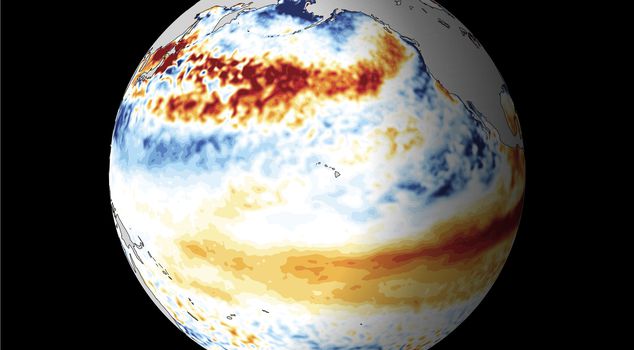
The United Nations (UN) and the World Meteorological Organization (WMO) have issued one of the most critical climate warnings in human history. Officials announced that the El Niño weather phenomenon, centered in the Pacific Ocean, is progressing toward its most severe level recorded in the last thousand years, and stated that this crisis, combined with global warming, could make 2027 the hottest year on record.
Climate models and historical data clearly reveal that El Niño, expected to reach its peak in the coming period, will lead to the highest temperature deviations seen in the last thousand years.
"UNPRECEDENTED DANGER"
UN Secretary-General António Guterres, drawing attention to the severity of the situation, emphasized that the world stands on the threshold of a climate crisis it has never experienced before. Guterres stated that there is not a single moment left to lose and called for the global race to combat the climate crisis to be won without question. This unknown danger zone the planet is entering must become the foremost agenda item for the international community in the coming years.
GLOBAL CRISIS WILL TRIGGER A CHAIN OF DISASTERS
It is feared that this extreme heat wave will not be limited to temperature records but will trigger a chain of disasters that will deeply shake global balances. Experts state that massive wildfires in Australia, devastating floods in South America, and severe droughts across Asia are imminent.
FOOD SECURITY UNDER THREAT
Extreme climate events also directly threaten food security. The World Food Programme (WFP) warns that approximately 50 million people could face the risk of acute hunger during this process. If carbon emissions are not reduced immediately, the crisis in 2027 could skyrocket global food prices and upheave socio-economic balances.