15.05.2026 00:40
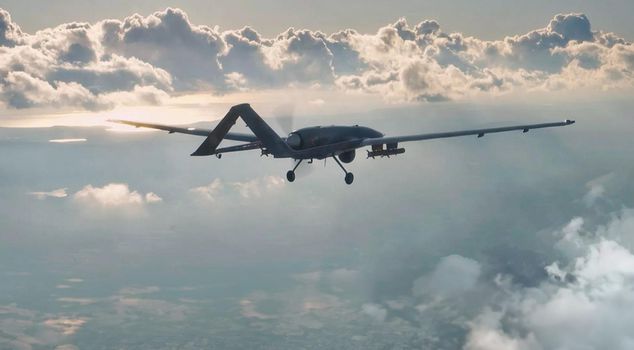
Canada, which imposed an arms embargo on Turkey in 2019, is now considering purchasing Turkish-made unmanned aerial vehicles. During the embargo, the export of Canadian-origin camera systems used by Baykar and TAI was halted. It has been reported that the Canadian administration has shown interest in Turkish UAVs for surveillance purposes, and joint defense projects between the two countries are also on the agenda.
It has been claimed that Canada, which imposed an arms embargo on Turkey in 2019, is now considering purchasing Turkish-made unmanned aerial vehicles. According to a report by Middle East Eye, the Ottawa administration is particularly interested in medium-altitude long-endurance UAVs for surveillance purposes.
THE EMBARGO MOST AFFECTED BAYKAR AND TAI
In 2019, Canada halted the sale of some military products to Turkey following Ankara's military operation in Syria. This decision particularly affected Baykar and Turkish Aerospace Industries (TAI). Both companies were using electro-optical and infrared cameras produced by Canada-based Wescam. After the embargo, Turkish defense companies had to turn to alternative suppliers.
Over time, local companies developing these technologies emerged in Turkey, and dependency on foreign sources in the defense industry was significantly reduced.
A NOTABLE TURN SEVEN YEARS LATER
According to the report, after years have passed, Canada is now considering the option of purchasing Turkish military unmanned aerial vehicles.
An official speaking on the matter said, "Canada is interested in purchasing medium-altitude long-endurance unmanned aerial vehicles for surveillance purposes." The official noted that discussions are still in the early stages and that the process may not necessarily result in a concrete agreement.
SIGNAL OF DEFENSE COOPERATION
Canada's Minister of State for Defense Procurement, Stephen Fuhr, also stated at a panel in Istanbul last week that they are ready to work more closely with Turkey in the defense field.
Fuhr indicated that munitions production, unmanned aerial vehicles, and anti-UAV systems are among the potential areas of cooperation between the two countries. The Canadian minister said that future projects could include not only purchasing but also joint development models.
“THEY DON'T WANT TO DEPEND ON THE USA”
The report suggested that developments during the era of US President Donald Trump played a role in Canada's changing defense approach.
An official speaking on the subject argued that the Ottawa administration no longer trusts Washington's security umbrella as much as before. The official said, "Canadians no longer want to be dependent on American weapons. They want to diversify their supplies."
Stephen Fuhr also stated that Canada wants to strengthen its defense capacity more quickly, noting that slow progress in developing new systems is a major problem.
CANADA INCREASES DEFENSE INVESTMENTS
Canada is planning billions of dollars in investments to meet NATO's 2% defense spending target. Additionally, it aims to establish a drone innovation center within the National Research Council with an investment of $105 million over three years.
Meanwhile, Canadian Prime Minister Mark Carney is expected to visit Turkey in July as part of the NATO summit to be held in Ankara.
Officials stated that Carney is also planning a separate official visit to Turkey in October, during which various defense cooperation topics, including UAV projects, could be discussed.
“WE HAVE TO MOVE FASTER”
Stephen Fuhr emphasized the importance they place on defense cooperation with Turkey, saying, "You will see our Prime Minister visiting here several times in the near future. This will show how much we value bilateral cooperation with Turkey."
Fuhr also noted that slow-moving projects in the defense industry create serious problems, adding, "In the end, you get slow and outdated systems. That's why we are extremely motivated to move quickly."