17.02.2026 20:20
A bill was passed to eliminate the pensions paid to members of parliament due to the severe economic crisis in Sri Lanka. This decision aims to share the economic burden more fairly among the public and to limit political privileges. The high inflation, currency shortages, and issues accessing basic food items in the country have increased public backlash against the privileges granted to politicians.
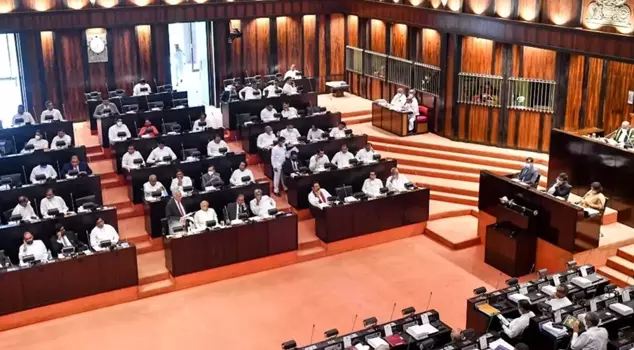
Sri Lanka continues to struggle with one of the worst economic crises in its history, while a notable decision emerged from the parliament. The bill that abolishes the pensions paid to members of parliament was approved by the parliament.
WIDE SUPPORT FROM PARLIAMENT
In the vote held in parliament, the bill was accepted by a large majority. With the approved regulation, the practice of granting pensions to members of parliament whose terms have ended has been terminated. It has been reported that the law also applies to former members of parliament who are currently receiving pensions.
ECONOMIC CRISIS WAS DETERMINING IN THE DECISION
Officials stated that the decision was made due to the deep economic crisis the country is experiencing. Rising inflation, currency shortages, and issues in accessing basic food items in Sri Lanka have increased public reactions against the privileges granted to politicians.
"POLITICAL PRIVILEGES ARE BEING REDUCED"
Government sources expressed that the abolition of parliamentary pensions aims to reduce public spending and limit political privileges. It was emphasized that the regulation is a symbolic but significant step towards a fairer distribution of the economic burden among the public.
PENSION AFTER A 5-YEAR TERM
The legislative body approved the law with 154 votes in the 225-member House of Representatives on Tuesday; only two members voted against it. The remaining members of parliament were not present during the voting.
In Sri Lanka, a member of parliament previously became eligible for a pension after a five-year term. The new law halts payments to everyone who is currently receiving or has become eligible for a pension. President Anura Kumara Dissanayake, who will take office in 2024, had promised to end this practice during his election campaign.
REFORM UNDER IMF PROGRAM
The Sri Lankan government continues to take steps to discipline public finances under the reform program supported by the International Monetary Fund (IMF). The abolition of parliamentary pensions is considered one of the notable highlights of this reform process.