04.11.2026 18:01
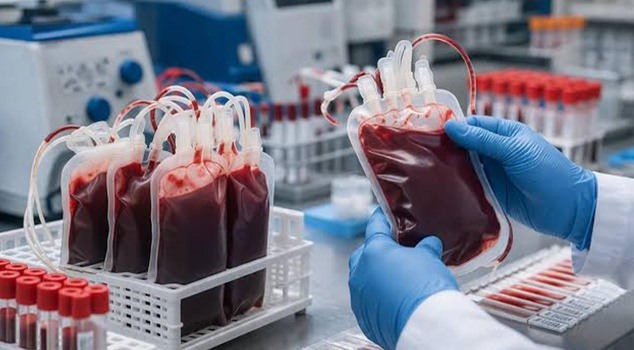
Following cyberattacks targeting supermarket refrigeration systems in Europe, blood storage facilities in France were targeted this time. Hackers attempted to change the temperature settings of refrigeration systems at three facilities where blood and plasma products are stored. Thanks to security systems and timely intervention by personnel, damage to blood products and samples was prevented.
Another cyberattack has been added to the string of consecutive cyberattacks in Europe in recent days. In France, the cooling systems of storage facilities where blood and plasma products are kept became the target of a cyberattack. It was determined that hackers raised the temperature and thawing settings in cold storage facilities where blood products were stored to dangerous levels. French authorities announced that thanks to the attack being noticed in time, no blood products were lost and no adverse health situation occurred.
THEY CHANGED THE SETTINGS OF THE COOLING SYSTEMS
The attack, carried out in France on the night connecting November 1 to November 2, affected systems used in three different cold storage facilities of the French Blood Establishment (EFS).
According to information in the French press, the attackers tried to raise the temperature settings, kept at minus 30 degrees Celsius in some facilities, to as high as 110 degrees. It was reported that the attack was carried out through the systems of the company that supplies EFS's cooling equipment.
In its statement, EFS confirmed that the temperature and thawing thresholds were raised to extremely high levels. However, it announced that this intervention did not cause any loss of blood products.
A TECHNICIAN NOTICED, BLOOD PRODUCTS WERE SAVED
The development that prevented the consequences of the attack from worsening was a technician noticing the unusual change in the cooling systems.
Monitoring and alarm systems at the facilities detected abnormalities in temperature settings and alerted employees. Thereupon, the products in the storage facilities were moved to other areas or placed under safe conditions.
It was stated that the facilities contained plasma bags prepared for use in blood transfusions as well as plasma products used in drug production.
In its statement after the incident, EFS reported that no blood products were lost and no adverse health outcome was identified. It was announced that blood donation collection and distribution activities also continued without interruption.
AN INVESTIGATION HAS BEEN LAUNCHED
The French Ministry of Health announced that the incident was under control and that developments were being closely followed. The French National Cybersecurity Agency and the Ministry of Health are investigating how the attack was carried out, which equipment was affected, and the conditions required to safely bring the systems back into operation.
It has not yet become clear who is behind the attack or which methods were used.
IN EUROPE, THE TARGET OF CYBERATTACKS IS THE COLD CHAIN
The attack on blood storage facilities in France came after similar cyber incidents targeting supermarket cooling systems in Europe.
In recent days, it was reported that in countries including Belgium, Sweden, Ireland, the Netherlands, Luxembourg and Estonia, temperatures in the refrigerators and freezers of some markets were raised through remote intervention. It was announced that tons of food products spoiled due to the attacks and damage worth millions of euros occurred.
With the targeting of blood storage facilities in France, cybersecurity debates have also moved into the health field. However, a direct connection between the attack on blood storage facilities and the market attacks in Europe has not yet been confirmed.