04.09.2026 10:42
Iranian official Azizi reacted to US Vice President Vance's statement that 'the fuel price increase is due to Iran firing at ships,' saying, 'Tell the story from the beginning; you are the ones who started this war.' The renewed restrictions in the Strait of Hormuz have raised oil prices.
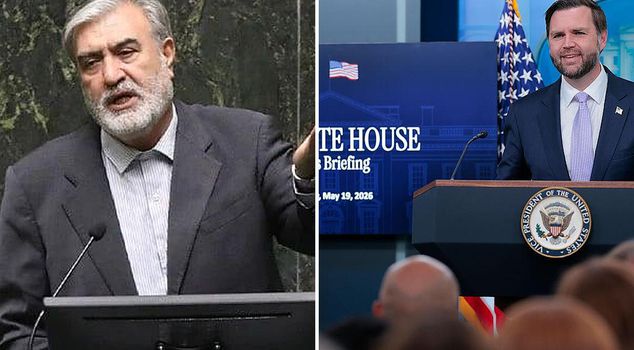
Ibrahim Azizi, Chairman of the Iranian Parliament's National Security and Foreign Policy Commission, reacted to US Vice President JD Vance's accusation that Iran was responsible for the increase in fuel prices. Azizi stated, "Tell the story from the beginning. Never forget, you are the one who started this war."
Mutual statements over oil and fuel prices have been added to the ongoing tension between Iran and the US.
Ibrahim Azizi, Chairman of the Iranian Parliament's National Security and Foreign Policy Commission, responded via his social media account to the statements of US Vice President JD Vance accusing Iran.
"YOU ARE THE ONE WHO STARTED THIS WAR"
Azizi, quoting Vance's remarks attributing the cause of high fuel prices in the US to Iran's attacks on commercial ships, used the following expressions:
"Tell the story from the beginning. Never forget, you are the one who started this war."
VANCE HAD ACCUSED IRAN
US Vice President Vance had made assessments regarding high fuel prices during a press conference held at the White House.
Vance had stated, "The reason fuel prices are so high is that the Iranians are firing at commercial ships."
RESTRICTIONS IN THE STRAIT OF HORMUZ HIT OIL FLOW
Following the attacks by the US and Israel on February 28, Iran largely restricted passages through the Strait of Hormuz. Passages were permitted again after the agreement signed between Iran and the US on June 17.
After conflicts reignited on July 8 following disagreements between the parties, Iran re-restricted passages through the Strait of Hormuz on July 12.
Restrictions in the strait, which is of critical importance for world oil trade, significantly disrupted the flow of oil from the region and also created upward pressure on global oil prices.