30.04.2026 08:40
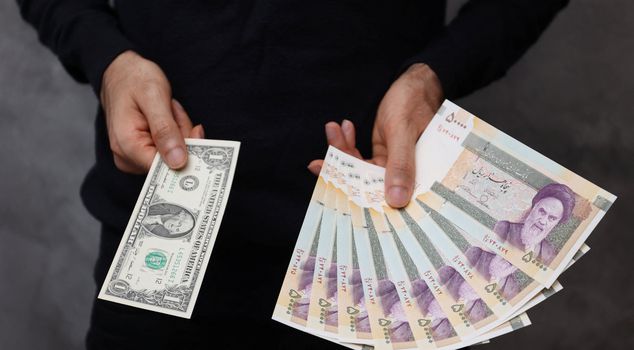
The Iranian rial fell to 1.8 million against the dollar, hitting a historic low. The exchange rate, which remained relatively stable during the war, rapidly depreciated after the ceasefire. While experts note that the decline in the rial will increase inflation, they also highlight that the ongoing US embargo has reduced oil revenues, further deepening pressure on Iran's economy.
Iran's national currency, the rial, has fallen to a historic low of 1.8 million against the dollar. Despite the ceasefire declared after the ongoing war with the US and Israel, economic pressure continues to escalate in Iran.
STABLE DURING WAR, COLLAPSED AFTER CEASEFIRE
During the war that began on February 28, the rial had remained relatively stable due to limited trade and imports. However, the currency has rapidly depreciated in the last two days, hitting a record low as of Wednesday.
INFLATION WAVE AT THE DOOR
Experts warn that the sharp decline in the rial will further increase inflation in the country. Iran's reliance on imports for many essential products such as food, medicine, electronics, and raw materials causes the rise in the dollar exchange rate to directly impact prices.
US BLOCKADE SQUEEZES THE ECONOMY
Although the ceasefire is in effect, the US naval blockade against Iran is intensifying economic pressure. The obstruction of oil shipments severely disrupts Iran's oil exports, one of its most important sources of revenue.
According to experts, the contraction in foreign exchange earnings and disruption of trade could lead to a deepening crisis in Iran's economy.