03.11.2026 19:11
Israeli President Isaac Herzog will receive the official election results on November 4 and begin consultation meetings with parties in the evening. On Wednesday, Herzog will discuss the mandate to form a government and coalition matters with small parties, and on Thursday with other parties.
It was stated that Israeli President Isaac Herzog will begin consultation meetings with small parties on who will be given the mandate to form the government and on coalition formation following the elections held in the country on October 27.
According to a written statement from the Israeli President's Office, Herzog will receive the official election results from Central Elections Committee Chairman Noam Sohlberg at 12:00 local time on Wednesday, November 4.
NEGOTIATIONS BEGIN FOR A NEW GOVERNMENT IN ISRAEL
After the results are announced, Herzog and Sohlberg will make statements to the press, and Herzog will begin consultation talks with parties in the evening. According to the schedule, Herzog will meet with delegations from the Religious Zionism, Shas, Yisrael Beiteinu and Identity parties on Wednesday evening.
On Thursday, Herzog will meet respectively with delegations from the United Torah Judaism, Democrats, Raam, Joint List, Together, Yashar and Likud parties.
Herzog will ask party officials whom they recommend be given the mandate to form the government and whether there is a coalition formula they support or oppose.
COALITION UNCERTAINTY EMERGED FROM THE BALLOT BOX IN ISRAEL
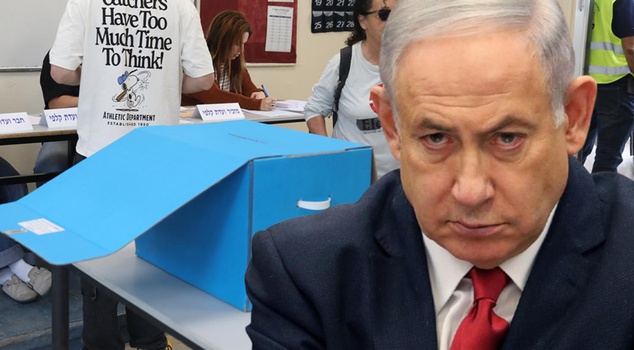
According to the uncertified results of the elections held in Israel on October 27, coalition uncertainty emerged from the ballot box.
The ruling bloc led by Netanyahu won 53 seats and the opposition bloc led by Gadi Eisenkot won 48 seats, but neither group reached the 61 seats necessary to form a coalition government in the 120-seat Israeli Parliament.
The two lists representing Palestinian citizens of Israel achieved a historic success by reaching 19 seats and positioned themselves as a key player in the parliamentary arithmetic.