27.04.2026 21:58
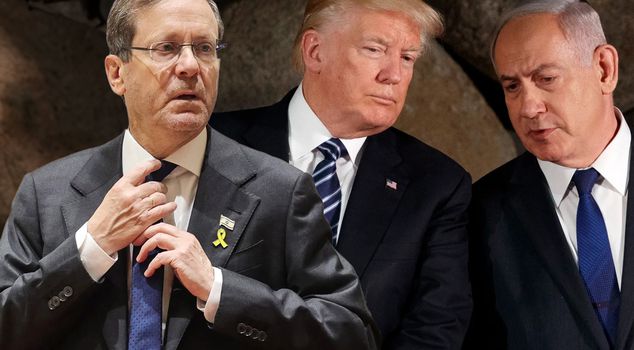
Israeli President Herzog raised the option of a defense agreement instead of directly responding to Prime Minister Netanyahu's pardon request, who is being tried in corruption cases. Despite Trump's pardon call and pressures, this path was chosen, and discussions between the prosecution and lawyers are planned in the process.
Israeli President Isaac Herzog raised the option of a defense agreement instead of directly responding to the pardon request of 76-year-old Prime Minister Benjamin Netanyahu, who has been on trial for approximately six years on charges of bribery, fraud, and breach of trust.
TRUMP'S HARSH PRESSURE: CALL FOR A PARDON
Herzog's decision was shaped against the backdrop of deep political divisions in the country, as well as pressure from US President Donald Trump. Trump intervened in the process on Netanyahu's behalf, calling on Herzog to issue a pardon, and when the request was not met, he directed harsh criticism.
BACKROOM "INFORMAL NEGOTIATION" FORMULA
Under the proposed process, informal discussions are planned to be conducted under the auspices of the president's office between the state prosecution, the attorney general's office, and Netanyahu's lawyers. Officials state that these contacts aim to create a possible basis for a compromise.
EXPERTS WARN: ADMISSION OF GUILT AND RESIGNATION REQUIRED
Legal experts note that a potential defense agreement typically involves an admission of guilt and resignation from public office. However, Netanyahu has so far denied all charges and has not signaled any intention to leave politics.
LEGAL OBSTACLE TO PARDON: "CONDITIONS NOT MET"
The Pardon Department of the Ministry of Justice emphasized that there is no legal basis for a pardon decision if Netanyahu does not admit to the charges and does not step down from office. This effectively stalls the pardon option.
SYMBOLIC OFFICE, CRITICAL AUTHORITY: HERZOG'S ROLE
The largely symbolic role of the presidency in Israel holds critical authority through its pardon power. Officials state that while the chances of success are low, this mediation attempt is an important step toward reducing social polarization.
CORRUPTION CASES AND POSTPONED TESTIMONIES
Netanyahu is being tried in three separate corruption cases. Previously, his testimony sessions were postponed for "security and political" reasons. The Jerusalem District Court accepted Netanyahu's request to cancel the testimony process, citing the ongoing war and security conditions, despite the prosecution's objection.