02.11.2026 09:21
Ounce gold, which has been under selling pressure for the last 3 weeks, started the new week with reaction buying after seeing its lowest level in the last year at $3,870 on Friday. With the sharp drop in oil prices and the decline in bond yields, ounce gold rose above $3,900, while gram gold traded at 6,275 lira. The markets' eyes turned to Tuesday's US midterm elections and Friday's nonfarm payrolls data.
Gold signaled a recovery on the first trading day of November after October, when it suffered its sharpest monthly loss since 2008. Diplomatic contacts in the Middle East pulling oil lower supported the precious metal.
GOLD PER OUNCE CLIMBS ABOVE $3,900
Gold per ounce rose to $3,904.20 on Monday morning, November 2, gaining 0.73% compared with Friday’s close. According to Reuters data, the ounce later rose 0.9% to $3,911. The precious metal had lost 6.8% last month.
In Friday’s sharp decline, spot gold fell more than 3.5% to $3,879.90, while silver dropped more than 6% to $48.95.
GRAM GOLD AT THE 6,275 LIRA LEVEL
Gram gold, which is guided by the ounce price and the USD/TRY exchange rate, also started the new week higher. Gram gold, which closed at 6,222 lira on Friday, gained 0.74% in the last 24 hours.
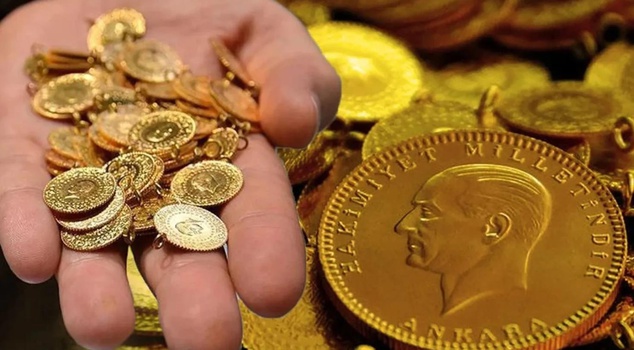
In the first hours of the week, gram gold was sold at 6,268.83 lira, quarter gold at 10,318 lira, half gold at 20,629 lira, and Republic gold at 41,095 lira. USD/TRY traded at 49.97.
THE SHARP DROP IN OIL GAVE GOLD BREATHING ROOM
The main reason for the recovery in gold was the decline in oil prices. Brent crude futures fell 3% to $110.08 per barrel as of 07:40 TST. In addition to Brent, which rose 13.6% in October, US crude oil (WTI) also fell 3.3% to as low as $100.69.
The decline in oil costs eased inflation concerns. The drop in bond yields and the US dollar also made non-yielding gold attractive again for investors.
TALKS IN DOHA RELIEVED THE MARKETS
Iranian and Qatari officials continuing for a third consecutive day their talks aimed at ending the war waged by the US and Israel against Iran supported the decline in oil. Iranian Foreign Minister Abbas Araghchi announced that Qatari mediators had convinced Tehran to reduce to 2 days the plan for reopening the Strait of Hormuz. Under the plan, the US is expected to take a series of steps on the first day, and ship traffic is expected to resume on the second day.
According to an Axios report citing sources, it was claimed that US President Donald Trump said in a phone call with Israeli Prime Minister Benjamin Netanyahu that he preferred diplomacy, and that this approach worried Netanyahu. OPEC+ decided over the weekend to keep its current production targets until December.
“THE DECLINE MAY BE TEMPORARY” WARNING
Risks in the region have not yet disappeared. While attacks on ships in the Gulf continue, a tanker off Saudi Arabia was hit by 2 shells. At least 10 attacks have been reported in the region since October 31.
Rabobank senior energy strategist Florence Schmit argued that the drop in prices was a temporary pullback. According to Schmit, current rhetoric could escalate tensions in the Middle East and push oil up again.
THE AI-DRIVEN SELLOFF ALSO HIT GOLD
Gold was shaken last week not only by oil and interest-rate pressure but also by turmoil in equity markets. The sharp selloff in technology stocks amid doubts over the profitability of artificial intelligence spending also pulled gold lower. It is assessed that some investors may have sold gold to cover losses or meet margin calls. This pressure was observed to have eased as of the start of the week.
THE FED’S DECEMBER DECISION UNDER SCRUTINY
The Fed kept its policy rate unchanged at the 3.75-4% range at its October meeting. The decision was made by a 10-2 vote, with two members requesting a 25-basis-point increase. The US central bank will announce the year’s final interest-rate decision at its meeting on December 8-9. Markets are pricing a possible December rate hike at probabilities ranging from 75% to 81%.
EYES ON THE MIDTERM ELECTIONS AND EMPLOYMENT DATA
Investors’ first focus this week will be the US midterm elections to be held on Tuesday, November 3. In the oil market, concern that the US-Iran conflict could intensify again after the elections continues to be decisive in pricing.
The week’s final critical data will come on Friday. October nonfarm payrolls are expected to show an increase of 55,000 to 63,000, and the unemployment rate is expected at 4.2%. This data is forecast to be decisive for the likelihood of a Fed rate hike in December.
WHAT DOES IT MEAN FOR SMALL INVESTORS?
For small investors who use gold as a savings tool, the rise at the start of the week means the first recovery after the sharp decline. However, this picture alone does not show that the downtrend has ended. Technical analysts are watching the $3,920 level in the ounce as the first resistance to a rise in the short term. In the Reuters poll, the average price forecast for gold this year was lowered, while next year’s expectation was revised upward.
For domestic investors, the price of gram gold depends not only on gold per ounce but also on the USD/TRY exchange rate. While the ounce rises, the exchange rate remaining flat or falling can limit the increase in gram gold. In jewelry gold, the difference between the buying and selling price stands out. According to Grand Bazaar data, this difference exceeds 230 lira in quarter gold. In short-term buy-sell transactions, this spread can erode a significant portion of the potential gain.
This week’s Tuesday US midterm elections, the outcome of the talks in Doha, and Friday’s employment data stand out as the main developments that could cause sharp price movements in gold. Oil rising again or strong employment data strengthening expectations of a Fed rate hike could create pressure on gold again. A diplomatic agreement and the continued decline in oil could support the recovery.
The information here is not investment advice.