18.03.2026 15:15
Japan is strengthening its defense capabilities by testing the first electronic warfare aircraft that can remotely disable enemy radars and electronic systems, while also raising discussions about its vulnerability to low-cost drones due to the aircraft's high weight.
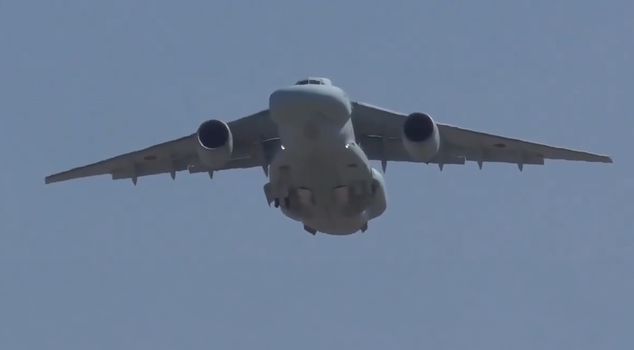
Japan tested its first electronic warfare aircraft developed to strengthen its defense capabilities. The aircraft, named Kawasaki EC-2 SOJ, conducted its maiden flight, demonstrating that the country has entered a new phase in military technology.
The next-generation aircraft has the capacity to disable enemy radars and electronic systems without entering the conflict zone directly. This feature allows the aircraft to be effective, especially in high-risk areas, without conducting operations.
CRITICAL ROLE IN MODERN WARFARE
According to experts, electronic warfare systems have become one of the most critical elements of modern warfare. The EC-2 SOJ is expected to enhance deterrence in Japan's defense strategy.
WEAK POINT SPARKED DEBATE
On the other hand, the weight of the aircraft is considered a risk factor by some defense experts. According to the report, this situation could make the aircraft more vulnerable to low-cost unmanned aerial vehicles.
IMPACT ON REGIONAL POWER BALANCES
This development is seen not only as a move to increase Japan's defense capacity but also as a strategic message regarding regional power balances. Especially considering China's investments in radar, missile, and electronic warfare systems in recent years, Tokyo's step serves as an indirect warning to Beijing. Experts believe that Japan aims to enhance its deterrence by demonstrating that it could remotely incapacitate China's air defense and communication infrastructure in the event of a potential crisis.