23.07.2026 18:01
The renewed conflict between the US and Iran has once again disrupted global markets. The price of Brent crude oil has risen above $100 per barrel due to risks to oil shipments in the Strait of Hormuz and the Bab el-Mandeb, as well as concerns over attacks that could target energy infrastructure in the Middle East.
Brent crude oil rose above $100 on Monday to its highest since May 27, driven by shipment risks in the Strait of Hormuz and Bab el-Mandeb and concerns over attacks on energy infrastructure in the Middle East.
HIGHEST LEVEL SINCE MAY 27 FOR BRENT
Brent crude's futures barrel price, which closed at $94.07 yesterday, rose approximately 6.5% to $100.17 as of 16:16 today compared to the close. At the same time, West Texas Intermediate (WTI) crude oil barrel was trading at $91.54. Thus, Brent crude's futures barrel price reached its highest level since May 27.
OIL PRICES SURGE AMID CONFLICTS
The price increase was driven by concerns that escalating tensions between the US and Iran could disrupt oil shipments in the Strait of Hormuz, as well as increased security risks in the Bab el-Mandeb Strait following a naval blockade declared by Iran-backed Houthis in Yemen against Saudi Arabia.
Houthi military spokesman Yahya Saree announced on July 20 that they had begun implementing a "naval blockade" against Saudi Arabia, and last night stated that they had targeted two Saudi oil tankers in the Red Sea with drones and missiles for violating the transit ban.
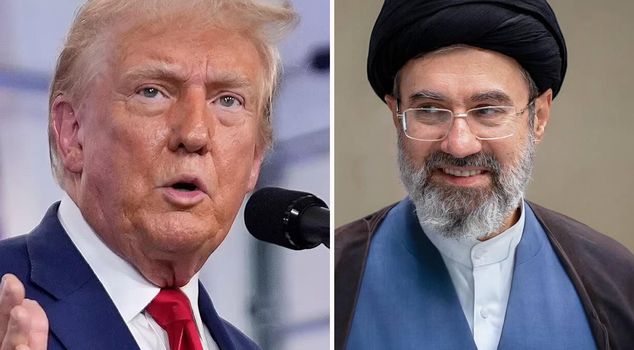
US President Donald Trump also stated today in a post on his social media account that if the Houthis launch new attacks in the Middle East, the US would hold Iran responsible for this situation.
CONCERNS GROW IN MARKETS
These attacks increase transportation risks in the Strait of Hormuz and Bab el-Mandeb while also deepening concerns about the security of global oil supply.
As the US continues its strikes against Iran, Iran is also continuing its retaliatory actions against US bases in the Gulf.
In response to Trump's statements targeting Iran's energy infrastructure, Revolutionary Guard Corps Aerospace Force Commander Majid Mousavi replied by suggesting they could target the energy infrastructure of US allies in the region.
The mutual threats between the parties are increasing security concerns regarding energy infrastructure in the region.