17.08.2026 19:03
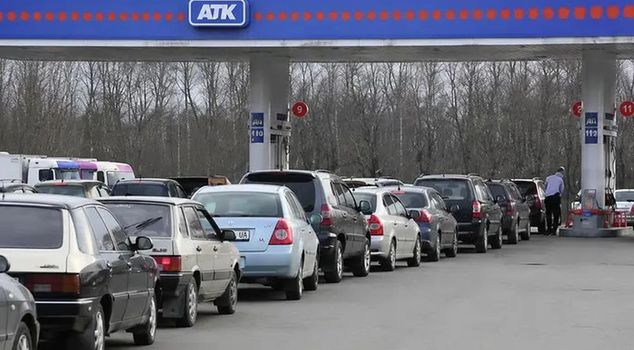
The fuel crisis that emerged in Russia at the beginning of summer has flared up again before being fully overcome. Following new attacks on refineries, gasoline supply problems are being felt again in different regions of the country, and pumps have also run dry at some stations around Moscow. According to Reuters, controls on gasoline sales have been tightened again in at least 10 regions.
The gasoline shortage that intensifies in Russia during the summer months has begun to spread across the country again. According to Reuters, authorities in at least 10 regions have tightened restrictions on fuel sales, while gasoline was reported completely depleted at some stations around Moscow. Diesel fuel, however, is available at many locations.
SECOND WAVE IS HARSHER
Russia is facing a second wave of crisis in the fuel market. After the gasoline shortage that began in spring and spread to a large part of the country in July partially eased, new attacks on oil facilities in late July and early August deepened the supply problem again.
According to Reuters, local governments in at least 10 Russian regions have begun implementing new measures to control sales at gas stations. It was reported that gasoline was unavailable at some fuel stations in the Moscow region, while diesel fuel remained largely on sale.
REFINERY ATTACKS BEHIND THE CRISIS
One of the main reasons for the fuel shortage in Russia is Ukraine's unmanned aerial vehicle attacks on Russian energy infrastructure. While some refineries had to halt production due to the attacks, the rise in gasoline demand along with the summer season during the same period increased pressure on the market.
Attacks continued in recent weeks as well. The Orsk refinery in the Orenburg region halted production after an attack on August 11. According to Reuters, it is assessed that restarting the facility could take months. After the refinery's closure, only a portion of hundreds of fuel stations in the region could operate, and serious problems were experienced in fuel supply.
FINDING GASOLINE HAS ALSO BECOME DIFFICULT IN MOSCOW
It is noteworthy that the fuel crisis is not limited only to remote regions. Reuters reporters found that gasoline was unavailable at some stations in the Moscow region. This situation indicates that the crisis has reached the vicinity of Russia's capital once again.
Among the regions where gasoline sales are restricted are places such as Orenburg, Lipetsk, and Krasnoyarsk. It was reported that gasoline sales on the St. Petersburg International Mercantile Exchange have declined by an average of 20 percent since the beginning of August.
MOSCOW TURNED TO IMPORTS FOR A SOLUTION
To ease the first wave of the crisis, the Russian government banned gasoline exports, introduced some flexibility in fuel quality standards, and began procuring petroleum products from abroad.
It was also reported by Reuters that Russia purchased approximately 68 thousand tons of gasoline from India in August. In addition to the shipment from India, fuel imports by rail through Belarus and Kazakhstan are also being increased. Russian officials announced that imports of petroleum products would continue to support supply in the domestic market.
FIRST WAVE EASED IN LATE JULY
The fuel crisis in Russia began in the spring and spread to more regions during the summer months. Towards the end of July, with the government's export restrictions and import moves, the supply shortage eased to some extent.
However, new attacks on refineries brought the loss of production capacity back to the agenda. Thus, the second wave of the gasoline shortage began in Russia, and regional administrations again resorted to sales restrictions.