02.07.2026 14:50
In Antalya, footage of a taxi driver refusing to turn on the taximeter and demanding a fixed fee of 30 dollars (1400 TL) from a tourist became a trending topic on social media. When the passenger insisted on activating the meter and objected to the unjust profit saying 'Haram,' the taxi driver replied, 'I am not Muslim, it's not haram.' The driver, who threatened to take the tourist back to the airport if they didn't accept the price, displayed a relaxed attitude that once again highlighted the weakness in taxi inspections.
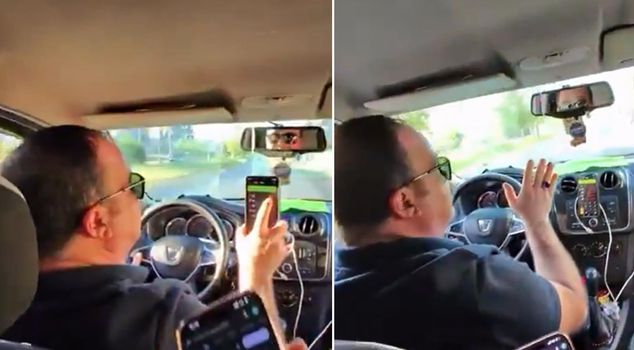
A new dispute over unregulated pricing and refusing to turn on the taximeter has been added to the ongoing controversies in Antalya, one of Turkey's most important tourism centers. The negotiation and argument between a foreign tourist and a taxi driver were recorded moment by moment on the passenger's mobile phone camera.
INSISTED ON NOT TURNING ON THE TAXIMETER
In the footage, the driver is seen refusing to turn on the taximeter and demanding $30 (1400 TL) for the trip. Despite the passenger's insistence on turning on the meter (using the Russian word 'schyotchik' meaning counter), the driver claims the taxi has no meter and insists on a fixed price.
Annoyed by the tourist's refusal to accept the price and insistence on using the meter, the taxi driver threatens the passenger, saying, 'I will take you back to where I picked you up, to the airport.'
'HARAM, MY FRIEND, THIS IS HARAM'
The tension between the two becomes even more intriguing as the argument shifts to matters of faith and morality. When the tourist reacts to the taxi driver's attempt to make an unfair profit by saying, 'Haram, my friend, you didn't turn on the taximeter, this is haram,' an unexpected response comes from the driver. Unfazed by the accusation of fraud, the driver defends himself by saying, 'It's not haram, I am not a Muslim.'
The footage, which quickly spread on social media, once again highlights both the lack of oversight in taxis and the grievances faced by tourists. Users have called on authorities to impose deterrent penalties for such incidents.