24.02.2026 07:51
In Lebanon, which has been struggling with a severe economic crisis and is effectively bankrupt since 2019, the sale of approximately 280 tons of gold reserves worth 45 billion dollars held in the Central Bank's vault has come to the agenda. While the government aims to meet its short-term cash needs, it is stated that parliamentary approval and the IMF process will be decisive for any potential sale.
In Lebanon, struggling with an economic crisis, government officials and financial circles have begun discussing the sale of a portion of the gold reserves held in the Central Bank's vault. As the country grapples with deep economic troubles, the option of converting gold reserves into cash has come to the forefront.
Since 2019, the Lebanese pound has lost more than 90% of its value, access to foreign currency deposits in banks has been largely restricted, and the state has effectively gone bankrupt. During this turbulent process, economic management has started to consider selling the gold stocks in the bank, taking into account the rising gold prices.
RESERVES EXCEEDING 280 TONS
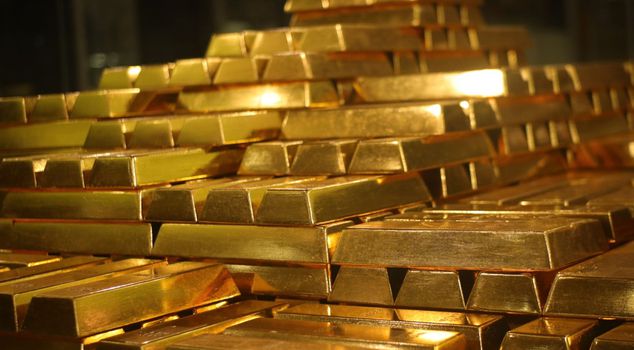
The Central Bank of Lebanon (BDL) holds over 280 tons of gold reserves. This amount has reached a value of approximately $45 billion due to the increase in global gold prices by 2026. The reserves rank second among many countries in the region, following Saudi Arabia.
While bankers and politicians argue that the sale of gold could alleviate Lebanon's financial crisis, some economic experts approach this idea with caution. It is noted that selling the gold reserves could provide short-term cash flow, but the long-term effects on the country's financial stability remain uncertain.
"PUBLIC INTEREST MUST BE CONSIDERED IN THE SALE DECISION"
According to a law from 1986, it is not possible to sell gold without the special approval of parliament. Therefore, it is stated that any potential sale should be evaluated within the framework of a financial aid agreement with the International Monetary Fund (IMF). Experts from the Ministry of Finance emphasize that gold reserves are an important asset that could contribute to the national budget, but the decision to sell must be made with public interest in mind.
SERIOUS TURBULENCE IN THE COUNTRY
Since 2019, the Lebanese economy has been experiencing serious turbulence. While the local currency has significantly depreciated, a large portion of bank deposits has been frozen. The World Bank has described the Lebanese financial system as a "Ponzi scheme," stating that the losses in deposits are approximately around $70 billion.