30.04.2026 06:42
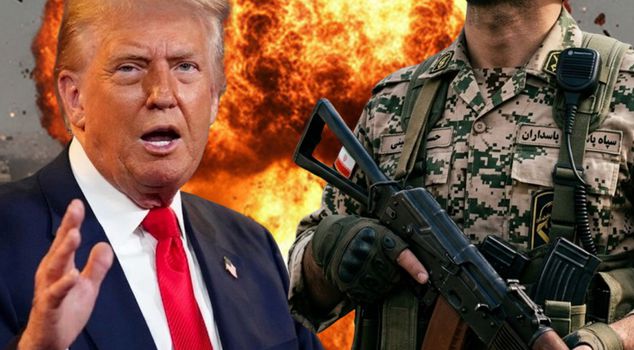
Negotiations between the U.S. and Iran have completely stalled. While Iran conditions lifting the blockade on the Strait of Hormuz for the U.S., President Trump has upped the ante. Trump said, "The blockade will continue until Iran makes a deal on its nuclear program. The blockade is more effective than bombardment; they can't breathe."
The tension between the US and Iran over the Strait of Hormuz has deepened as ongoing negotiations have proven inconclusive. The Tehran administration has stipulated that the US must first lift its naval blockade before the strait can be reopened to traffic. However, this demand has not been met by the Washington side, and diplomatic channels are now on the verge of being completely blocked.
TRUMP'S STATEMENT: "THE BLOCKADE WILL CONTINUE"
US President Donald Trump responded harshly to Iran's condition, announcing that the blockade would continue. Trump stated that Iran would be kept under pressure until it agrees to a new nuclear deal, emphasizing that the current blockade is far more effective than a military bombardment and that the Iranian administration has reached a point where it can "barely breathe" economically.
"IRAN CANNOT BREATHE UNDER THE BLOCKADE"
Trump said: "The blockade is more effective than bombardment. Iran cannot breathe under the blockade. Iran cannot export oil; its oil storage facilities are about to burst. I do not want to lift the blockade. The blockade will continue until Iran makes a deal regarding its nuclear program."
Meanwhile, according to a report by the Wall Street Journal, US President Donald Trump has ordered preparations for a long-term naval blockade against Iran. This step is described as a strategic choice aimed at increasing economic pressure rather than launching a direct military attack.
As the US administration continues the blockade it initiated in April, it is reported that Trump plans to extend this process even further. Washington's goal is assessed to be forcing Iran to back down on its nuclear program.
NEGOTIATIONS AT A DEADLOCK
According to foreign media, talks between the US and Iran remain deadlocked. While Iran demands the lifting of the blockade to reopen the Strait of Hormuz, the US keeps its distance from this proposal.
According to an Axios analysis, the conflict has evolved into a "Cold War-like" process where economic and military pressure take precedence over direct warfare.
ENERGY CRISIS DEEPENS
The tension in the Strait of Hormuz directly impacts global markets. Oil prices have risen above $111, while concerns over supply disruptions grow.
Experts warn that if the blockade is prolonged, the global energy crisis could deepen, and new peaks in oil prices may be observed.
IRAN HAS NOT BACKED DOWN
Despite intense US pressure, Iran is reported to have not backed down, continuing oil sales through alternative routes and maintaining its resilience.
This situation raises questions about the effectiveness of Washington's strategy, and it is assessed that resolving the crisis in the short term will be difficult.