20.11.2026 21:40
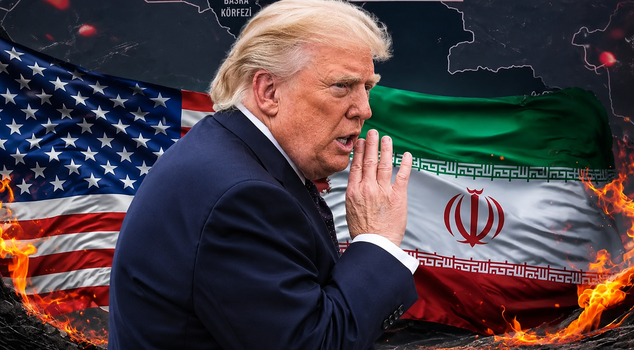
US President Donald Trump lashed out at the Tehran administration in his remarks on the agreement process with Iran. Stating that he did not accept the agreement offered by Iran, US President Trump said he wanted a real deal. Emphasizing that fuel prices depend on the agreement to be made with Iran, the US President argued that the US Navy controls the Strait of Hormuz.
New statements from US President Donald Trump regarding Iran have come. US President Donald Trump, while not backing down on an agreement with the Tehran administration, used striking remarks about oil prices, war, and the Strait of Hormuz.
"I REJECTED THE AGREEMENT WITH IRAN"
US President Donald Trump, in his assessment of the agreement process with Iran, stated that he did not accept the conditions presented by the Tehran administration. Emphasizing that he did not mean he did not want to make any agreement with Iran, but that he aimed for a real agreement meeting his own expectations, Trump used the following statements: “I rejected the agreement with Iran; we want a real agreement, not a fake one. The fuel price depends on how we make an agreement with Iran. Iran has been lying for 51 years. If it happened once more, I would wage war on Iran, I would expect oil prices to rise to 300 dollars. Our navy controls the Strait of Hormuz. I know the Iranians, they are crazy, they have been doing this for 51 years.” Trump's words also brought to the fore the connection between the disagreement between Washington and Tehran and energy prices.
A $300 STATEMENT FOR OIL PRICES
One of the most striking details in Trump's statement was his assessment regarding oil prices. The US President stated that in the event of a new war with Iran, he could expect oil prices to rise to 300 dollars. Trump gave the message that despite such a possibility, he would not change his military stance toward Iran. Saying that oil prices depend on the conditions of the agreement to be made with Iran, Trump pointed out that energy markets could be directly affected by developments between the two countries.