28.05.2026 07:50
In the Guaviare region of southern Colombia, 50 people were killed in clashes between two armed groups made up of former FARC members. The fighting was reported to be over control of drug trafficking routes and strategic areas. Colombia's army deployed military units to the region, while it was announced that the warring groups were factions led by leaders nicknamed “Ivan Mordisco” and “Calarca.”
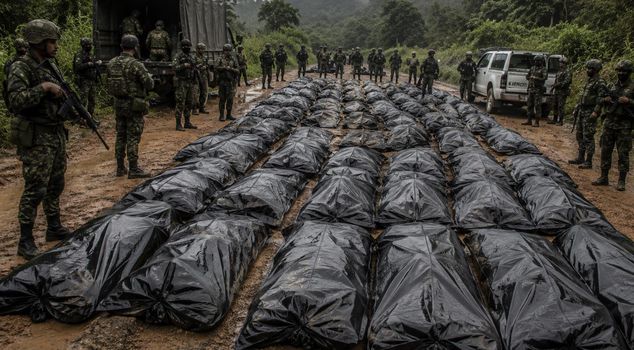
At least 50 people were killed in clashes between two armed groups made up of former FARC members in the Guaviare region of southern Colombia, according to initial reports. The clashes were reportedly due to control over drug routes and strategic areas.
FORMER FARC MEMBERS CLASH
According to reports in the national press, violent clashes occurred between two dissident groups made up of former members of the Revolutionary Armed Forces of Colombia (FARC) in the rural area of San Jose del Guaviare, in the administrative region of Guaviare.
Fifty people, including high-ranking figures from both sides, lost their lives in the clashes.
TWO POWERFUL LEADERS AT THE CENTER OF THE CONFLICT
According to a statement from the Colombian army, the clashes broke out between the FARC faction Estado Mayor Central (EMC), led by Nestor Gregorio Vera, alias "Ivan Mordisco," and the EMBF, led by Alexander Diaz Mendoza, alias "Calarca."
It was stated that the two illegal armed groups have long been fighting for control of strategic areas in central and southern Colombia.
ARMY DEPLOYS TROOPS TO THE REGION
The Colombian army announced that military units were sent to the rural area where the clashes occurred.
In a statement from the army, it said, "Our units from the 22nd Brigade maintain a strategic presence in the rural area of San Jose del Guaviare. The objective of the operation is to protect civilians, strengthen security, and ensure regional control."
THEY FIGHT FOR DRUG ROUTES
Experts state that the clashes between illegal armed groups are fundamentally driven by the struggle for control over drug trafficking routes, rural areas, illegal economies, and coca production regions.
Some former group members who rejected the peace agreement signed in 2016 between the Colombian government and the FARC have over time split into different armed groups and begun clashing with each other.
THE AGREEMENT THAT ENDED 53 YEARS OF WAR
The historic peace agreement that ended 53 years of conflict in Colombia was signed on November 24, 2016, by then-President Juan Manuel Santos and FARC leader Rodrigo Londono at the Colon Theater in the capital Bogota.