21.06.2026 07:30
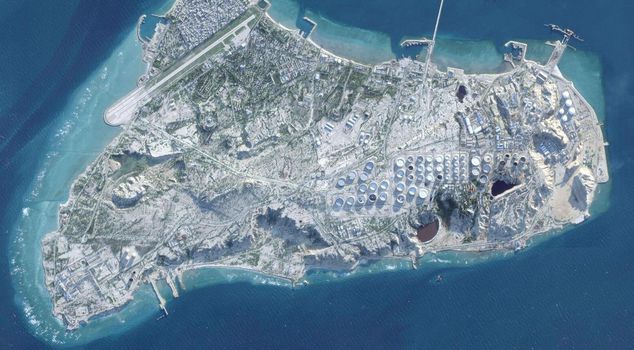
Iran has resumed crude oil exports from Kharg Island after approximately six weeks, following a reduction in tensions with the US and the lifting of sanctions. Tehran has shipped about 20 million barrels of oil using tankers held in reserve, while at least 20 tankers anchored off Kharg Island suggest exports may increase further. The development is expected to impact global oil supply and energy markets.
Iran has accelerated its crude oil exports again after a decrease in tensions with the US. According to Bloomberg, loading activities have resumed at the Kharg Island Terminal, one of the country's most important oil export hubs, after approximately a six-week hiatus.
Following the US Navy's lifting of the blockade on Iranian ports, the Tehran administration has moved to strengthen its position in global energy markets. Experts note that Iran's return to exports could particularly increase oil supply in the Asian market.
20 MILLION BARREL SHIPMENT REALIZED
According to data cited by Bloomberg, Iran has deployed tankers previously held near Chabahar Port due to security risks, enabling the shipment of approximately 20 million barrels of crude oil.
While some international shipping companies in the region reportedly still have reservations about transiting the Strait of Hormuz, Iran is said to have revived exports through alternative logistical plans.
The Strait of Hormuz, of critical importance to energy markets, stands out as a strategic route through which a significant portion of world oil trade passes.
AT LEAST 20 TANKERS WAITING OFF KHARG ISLAND
According to information based on satellite imagery and maritime data, at least 20 tankers of various sizes are anchored east of Kharg Island.
This situation indicates that Iran holds a significant stock of crude oil awaiting export. Experts view the concentration of tankers as a sign that export volumes could see a further increase in the coming days.
BALANCES IN OIL MARKETS MAY SHIFT
Iran's return to exports is reshaping expectations regarding global oil supply. Particularly during a period when the production policies of OPEC+ countries are closely monitored, additional supply from Iran is assessed to potentially put pressure on prices.
Energy analysts state that if the current diplomatic environment persists, the Tehran administration could further increase its export capacity, potentially creating a new balance in global energy markets.