23.04.2026 21:51
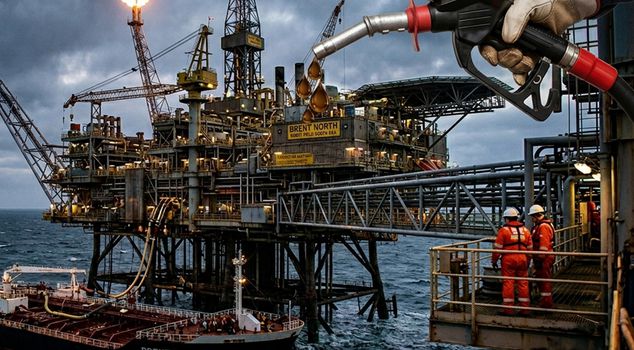
With the sound of explosions heard in Tehran, the capital of Iran, Brent oil suddenly surged. In parallel with concerns about the collapse of the ceasefire, Brent oil gained about 3 percent in value, with the barrel price reaching the $105 level.
The sounds of explosions heard in Iran's capital Tehran and the activation of air defense systems have elevated geopolitical risks to their peak in global markets.
BRENT OIL AT $105 LEVEL
With growing concerns that the ceasefire in the region has collapsed, the price of Brent crude oil suddenly surged, gaining approximately 3 percent. With this jump, oil prices reached up to $105 per barrel, marking one of the highest levels in recent times.
The uncertainty in energy corridors, particularly threatening supply security in the Strait of Hormuz, has accelerated investors' search for a "safe haven." Analysts warn that if military activity in the region continues, pressure on energy prices could increase. Markets are now focused on official statements from Tehran and the course of the conflict.
THE "STRAIT OF HORMUZ" EFFECT ON BRENT OIL
Although oil prices fell after US President Donald Trump decided to extend the ceasefire with Iran, news flow that Iran intercepted two foreign vessels on the grounds of violating the security of the Strait of Hormuz brought oil prices back to the $100 level.
While expectations that the ceasefire could be maintained limited the price increase, tensions in the Middle East and contradictory statements increased volatility in oil markets, leading prices to rise again to $100 per barrel.
Due to the escalating conflict from US and Israeli attacks on Iran and Iran's retaliations, ship traffic in the Strait of Hormuz, a critical transit route for global goods and energy trade, had been largely disrupted.
Meanwhile, the US Energy Information Administration (EIA) announced that commercial crude oil inventories in the country rose by approximately 1.9 million barrels last week to a level of 465.7 million barrels. Market expectations were for inventories to decrease by about 1.9 million barrels.