13.05.2026 11:31
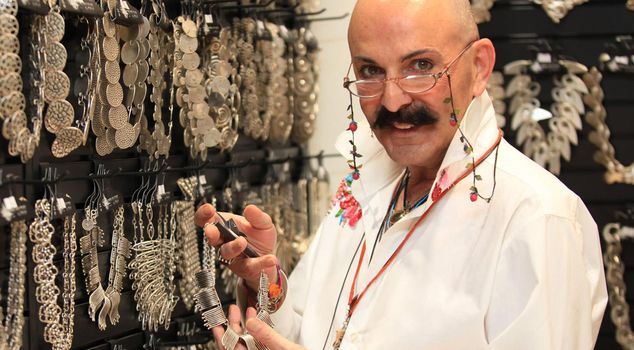
Famous fashion designer Cemil İpekçi made striking statements during a talk he attended and also revealed his will for the first time. İpekçi stated that he wants his house in Bodrum to be used as a museum and workshop, and expressed that he does not want a religious ceremony at his funeral.
Famous fashion designer Cemil İpekçi became a trending topic with his statements at the panel titled "What Is This About Women?" Arguing that modern life distances women from their true selves, İpekçi stated that men seek peace and compassion rather than physical appearance.
"THERE IS NO ROMANTIC MAN"
In the panel, Cemil İpekçi, evaluating relationships, claimed that men do not prefer women with cosmetic surgery and heavy makeup. İpekçi said, "Men do not prefer women who have had aesthetic surgery or wear heavy makeup. Just say things that will please their hearts and fill their stomachs. There is no romantic man; do not expect them to understand you; be tactical."
"PROTEST IS DONE BY NOT CONSUMING"
Stating that he does not like politics but does not hesitate to speak about social issues, İpekçi also made striking remarks about forms of protest. The famous designer said, "Protest is done not by holding up banners, but by not consuming."
HE ALSO ANNOUNCED HIS WILL
Making sincere statements, Cemil İpekçi also drew attention with his words regarding his will. According to the news from Patronlar Dünyası, İpekçi expressed that he wants his house in Bodrum to be used as a museum and workshop in the future, and said the following about his funeral: "I do not want a religious ceremony at my funeral. Let them wash me with rose oils and drape a maşlah over me."
WHAT IS MAŞLAH?
It is a type of outer garment or cloak-like clothing, especially worn by Turkish women in the past, with deep slits at the sleeves, long, wide, and easily slipped over the back. This word, of Arabic origin, refers to a garment made of light fabric, generally worn over a dress, and also used by urban women as a robe or dressing gown.