18.05.2026 11:51
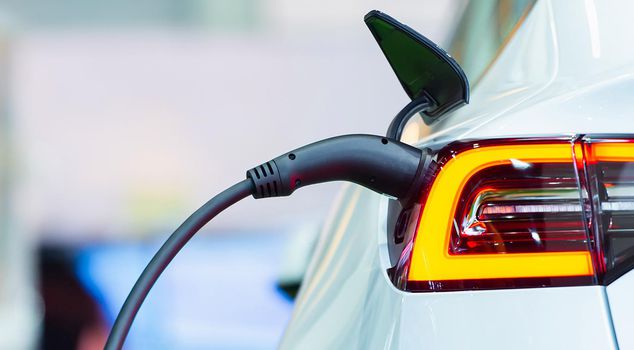
{"text":"The recent rapid increase in electric cars has also led to the widespread adoption of charging stations. Some citizens are installing electric vehicle charging stations at their homes or villas. High "illegal usage" fines are imposed on charging stations that do not go through the necessary approval and permit processes or lack meter connections. A doctor in Istanbul was fined over 840,000 TL for illegal electricity usage."}
According to the Energy Market Regulatory Authority's (EPDK) March 2026 'Charging Service Market' report, the total number of electric vehicles in Turkey has risen to 411,796. The number of charging points has increased to 41,938. The surge in Brent crude oil and diesel prices in global markets due to the Iran-US war has boosted interest in electric vehicles in Turkey. Electric vehicles have come to the forefront in sales.
Along with electric vehicles, charging stations continue to become more widespread. Citizens can charge their vehicles at public places or at stations they install in their own residences and villas. These stations sometimes make headlines due to heavy fines.
MILLION-LIRA FINE FOR A DOCTOR
In Istanbul, on the European side, a doctor installed an electric vehicle charging station at his residence. The Bosphorus Electricity Distribution Joint Stock Company (BEDAŞ), during its field inspections, also examined the residence where the charging station was located.
During the inspection, teams detected that energy was being used by drawing a separate line without going through the meter, despite an existing retail sales contract or bilateral agreement. The doctor who owned this charging station was fined over 840,000 TL.
EXPERT WARNING: FOLLOW THE STEPS IN THE REGULATIONS
Experts stated that electric charging stations can be installed in residences or villas within a specific project, warning, 'It is extremely important for this project to receive approval and permission from the urban electricity distribution company and to fulfill the conditions stipulated in the regulations. Charging stations that are not approved by the urban electricity distribution company and are not connected to the meter, whether with or without the subscriber's knowledge, will face penalties for illegal use.'
Experts recommended that subscribers review whether the project processes for charging stations in their residences comply with the regulations, saying, 'EPDK's relevant regulation is clear. Distribution companies act in accordance with this regulation. They impose illegal usage fines. To avoid facing substantial illegal usage fines, it is necessary to fulfill the steps prescribed in the regulations.'