19.10.2026 15:11
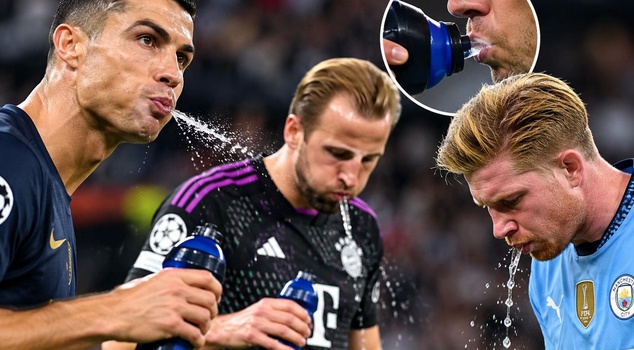
World-famous footballers such as Cristiano Ronaldo, Harry Kane and Kevin De Bruyne draw attention by spitting out the drinks they take into their mouths during matches without swallowing them. Behind this behavior, which football fans are curious about, lies a method known in sports science as carbohydrate mouth rinsing, which can contribute to performance.
In major organizations such as the World Cup and the UEFA Champions League, footballers are seen coming to the sideline, swishing the drinks they have taken into their mouths for a few seconds, and then spitting them out.
This movement, which seems meaningless at first glance, can be based on the carbohydrate mouth rinsing method called Carb Rinsing in sports science. It is stated that the method, especially used in high-tempo matches, may have positive effects on physical performance.
IT AFFECTS THE BRAIN'S REWARD AND MOTIVATION CENTERS
When a carbohydrate-containing liquid is swished in the mouth, sensory mechanisms in the oral cavity are activated. Research shows that this process can affect activity in some areas of the brain associated with reward, motivation, and motor control.
Therefore, athletes can gain a limited performance advantage without swallowing the carbohydrate. However, the method does not actually provide energy to the body or replenish depleted energy stores.
IT CAN BE PREFERRED TO PREVENT STOMACH DISCOMFORT
Consuming large amounts or high-concentration carbohydrate-containing drinks during intense physical activity can cause nausea, bloating, and digestive system discomfort in some athletes. The carbohydrate mouth rinsing method, however, can offer an alternative for athletes who want to avoid such problems because it does not require swallowing the liquid.
IT DOES NOT SHOW THE SAME EFFECT IN EVERY FOOTBALLER
Scientific studies indicate that carbohydrate mouth rinsing may provide small performance advantages, especially in endurance exercises performed for certain durations. However, the effect of the method can vary depending on the athlete's nutritional status and the duration and intensity of the exercise. In addition, mouth rinsing does not replace the water and carbohydrate consumption needed throughout a match.