19.10.2026 19:22
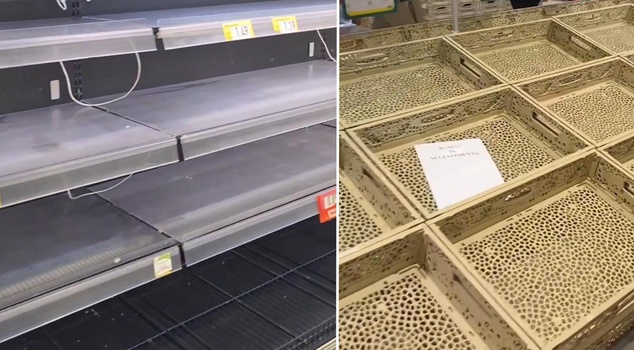
As protests and actions launched by hauliers against fuel prices continue in Italy, shelves in some supermarkets have emptied. Due to disruptions in the supply chain, difficulties are being experienced especially with fruit and vegetable products, while concerns have increased in some parts of the country about access to basic food products.
Protests against the high cost of living in Europe have moved to the top of the agenda in France and Italy. While stores were looted in demonstrations attended by hundreds of thousands of people in France, clashes between protesters and police also occurred in Italy, especially in Milan. In southern Italy, road-blocking protests by truck drivers demonstrating against rising fuel prices disrupted product shipments. It was reported that shelves, especially those holding fresh food products such as fruit and vegetables, were emptied in some supermarkets.
HUNDREDS OF THOUSANDS OF PEOPLE TOOK TO THE STREETS IN FRANCE
In France, demonstrations held in reaction to the high cost of living, low wages, and problems in public services grew nationwide on Saturday, October 17. According to a statement by the French Ministry of the Interior, more than 550,000 people participated in the demonstrations. Clashes occurred between security forces and demonstrators during protests in many cities, especially Paris.
Some groups looted stores, damaged public buildings, and set fires in the streets. French authorities reported that many people were detained and security personnel were injured during the incidents.
TENSION ALSO INCREASED IN PROTESTS IN ITALY
Following the demonstrations in France, protests against the high cost of living and government policies were also held in Italy. During the demonstrations that began in Milan, police intervened after some protesters threw stones and various objects. While some stores in the city center were looted, fires broke out in surrounding areas.
High living costs, wages, pension rights, and housing problems were among the prominent issues in the protests in Italy. While authorities stated that the right to protest must be protected, they condemned the violence.
TRUCK DRIVERS' ACTIONS AFFECTED SUPERMARKETS
A separate wave of protests also occurred in Italy's transport sector due to rising fuel prices. Truck drivers' closing roads and slowing traffic disrupted product distribution, especially in the south of the country. The closure of the Bausan gate at the Port of Naples also caused congestion in transportation.
Shortages were seen in the fresh food sections of supermarkets in some cities in Lazio, as well as in the Sicily, Calabria, Puglia, and Campania regions. It was reported that stocks of milk and flour decreased at some locations, in addition to fruit and vegetable products.
WILL SUPPLY PROBLEMS GROW?
Transport representatives in Italy state that the increase in fuel costs is putting pressure on the sector and that if protests continue, larger transportation disruptions may occur nationwide. Consumer organizations also draw attention to possible shortages in basic products and the risk of unjustified price increases in the supply chain.
However, it is stated that the gaps on supermarket shelves do not mean there is a nationwide food shortage. For now, the reported problems are concentrated in areas where protests have disrupted distribution and especially in fresh food products.
THOUSANDS OF STORES WERE LOOTED IN FRANCE
The looting that began during the protests held in France on October 17 turned shopping streets in many cities into battlefields. Masked groups, especially in Paris, Marseille, Lyon, Lille, and Bordeaux, smashed the windows of luxury stores, forced security shutters, and stole products inside. Footage of looters fleeing stores with luxury bags, phones, computers, and various products in their hands caused a wide reaction on social media. Many shopkeepers, seeking protection from the attacks, covered their storefronts with wooden panels and increased security measures, but many businesses could not escape the looting. After the incidents, broken glass, empty product boxes, and damaged stores were left on the shopping streets.
ROLEX WATCHES AND LOUIS VUITTON BAGS ENDED UP IN LOOTERS' HANDS
The most striking footage related to the looting was recorded in Marseille. The Rolex, Hermes, and Louis Vuitton stores in the city's luxury shopping district were targeted in the attacks. High-value products were stolen from stores whose windows were smashed. During the looting at the Rolex store, watches and watch boxes were taken, while images of scattered display areas and emptied watch boxes caused a major reaction. No clear statement has yet been made regarding the number and total value of the stolen watches.
Many luxury bags, accessories, and travel products were also stolen from Louis Vuitton stores. It was stated that the looters also took a large travel suitcase worth about 100,000 euros. The destruction in stores selling luxury products laid bare the economic dimension of the incidents.
THE CAPITAL'S LUXURY SHOPPING DISTRICT WAS LOOTED
The Celine store on Paris's famous Avenue Montaigne was among the looted businesses. While stores of Dior and other famous brands in the capital's luxury shopping districts were attacked, some storefronts were completely smashed. In the city of Lille, a group of about 50 people tried to break the armored door of a Louis Vuitton store with iron bars but failed to get inside.
A group that entered BHV Marais, one of Paris's long-established shopping centers, stole products on the ground floor of the center. Galeries Lafayette stores were also targeted by looting attempts and destruction in many cities, including Paris, Bordeaux, Nantes, and Rennes.
DECATHLON STORE WAS SET ON FIRE
The Decathlon store on Bordeaux's busy Sainte-Catherine Street was looted and then set on fire. As flames spread to the building housing the store, shoes, clothing racks, products taken out of stores, and broken glass were left on surrounding streets. Sports stores and the official merchandise sales point of a football club in Lille were also looted. In some cities, attacks continued on October 18.
AT LEAST 3,000 BUSINESSES WERE DAMAGED
French Minister of Trade Serge Papin announced that they estimate at least 3,000 businesses were damaged in the looting and destruction incidents nationwide. Representatives of the trade sector stated that the total financial loss could reach hundreds of millions of euros.