20.08.2026 17:00
While the QR code method, which offers one-click payment without taking a card out of the wallet, is rapidly spreading, experts have warned against hidden risks. In addition to disruptions such as internet outages, dead batteries, or the camera failing to detect the code, attention has been drawn to the risk of cyber fraud through QR codes of unknown origin.
Recently, paying by scanning the QR code displayed on the screen with your phone, instead of tapping your bank or credit card on the POS device, is becoming increasingly popular. However, this seemingly practical method follows a completely different technological process than traditional contactless card payments, as it requires a phone, a banking app, and an active internet connection during the transaction.
THE CRITICAL DIFFERENCE BETWEEN CONTACTLESS CARDS AND QR CODES
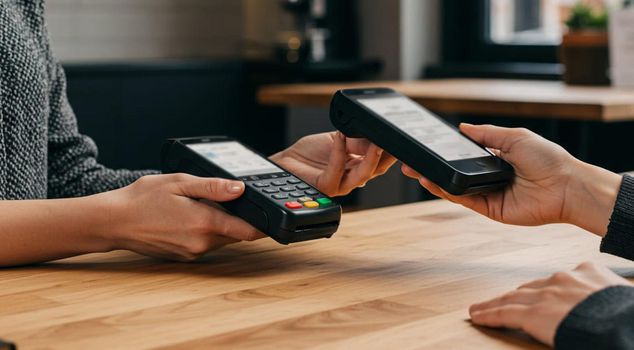
When a bank or credit card is brought near the POS device, the EMV chip inside the card activates, and the payment is processed directly through security protocols between the terminal and the bank. In this process, the customer's phone does not need to have a signal, be connected to the internet, or have battery power.
With QR code payment, a chain of software processes occurs instead of a single step. Multiple elements, from the phone camera to the banking app, and from mobile data to the payment screen, must work simultaneously.
IF YOUR PHONE HAS NO SIGNAL OR ITS BATTERY DIES...
The biggest practical difference between the two methods lies in their dependence on the internet and cellular networks:
- Internet disruptions: In closed parking lots, basement stores, or crowded shopping malls, a weakened mobile network can lock up QR code payments.
- Hardware obstacles: If the camera fails to detect the code or the phone battery dies, the supposedly practical QR payment can lead to long queues at the checkout.
BEWARE OF FAKE QR CODES AND REDIRECTIONS!
Although QR code technology itself is not insecure, it is noted that scammers can exploit this method. In particular, suspicious QR codes from unverified sources, those not from the POS device, or physically pasted on later, pose a risk of redirecting users to fake payment interfaces. Experts emphasize that when scanning a QR code, the screen that opens, the business name, and the payment amount should be carefully checked; and, when you have your physical card with you, using a contactless card carries less risk in terms of both security and speed.