01.06.2026 14:01
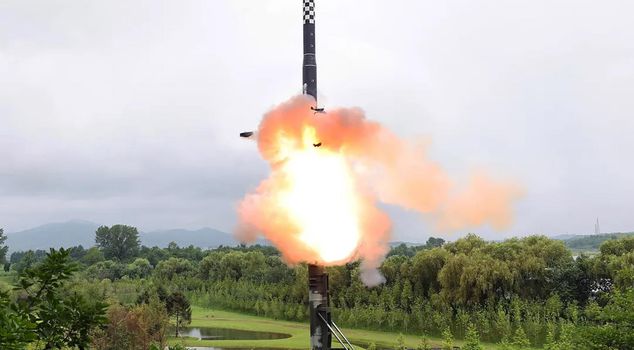
North Korea has successfully tested a new generation cruise missile designed to penetrate the air defenses of its neighbor South Korea. The tests, overseen by Kim Jong-un, featured radar-evading missiles and smart rockets, raising alarm in the region.
North Korea has tested new generation tactical strike systems that can be rapidly deployed near the border with South Korea. During the tests overseen by Kim Jong-un, cruise missiles capable of flying at low altitudes to evade radar and smart artillery rockets were successfully launched.
NEW GENERATION WEAPONS DEPLOYED
In the tests announced by North Korean state media, autonomous cruise missiles capable of flying at low altitudes, smart artillery rockets with a range of 100 kilometers, and light missile launch systems were tested. It was stated that the new systems are specifically designed to be rapidly deployable in areas close to the South Korean border.
CAN REACH TARGETS WITHOUT BEING DETECTED BY RADAR
It was reported that the new generation compact cruise missiles can fly at very low altitudes by following the terrain and can hit their targets with high precision thanks to computerized target recognition systems. Experts assess that this technology aims to penetrate the air defense systems of South Korea and the United States.
RAISES CONCERN IN SOUTH KOREA AND THE US
Analysts note that the digitalized and automated missile launchers could be used with a "hit-and-run" tactic, relocating before a counterattack. The increase in North Korea's smart precision-guided rocket capability is said to pose a serious threat to command centers and air bases in South Korea.
RUSSIA DETAIL DRAWS ATTENTION
Western intelligence sources suggest that military cooperation with Russia may have been influential in North Korea's recent technological progress. Sources assess that data obtained from the Ukraine war and possible technology transfers may have contributed to Pyongyang's missile program.