01.04.2026 08:23
As tensions between Iran and the US escalate into a global crisis over the Strait of Hormuz, the UAE is preparing to take an active role, including military involvement, to ensure the strait remains open. The US, arguing that Iran has been weakened, seems inclined to leave the process to other countries. The crisis in the strait, through which a significant portion of the world's oil passes, poses serious risks to energy markets and the global economy.
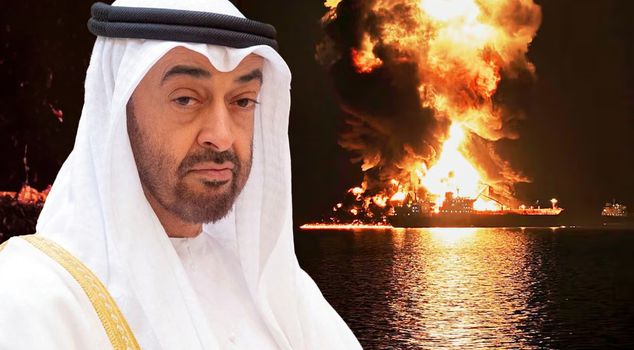
The growing war between Iran and the US has entered a new phase over the Strait of Hormuz, the heart of the global energy route. According to the Wall Street Journal, the United Arab Emirates (UAE) is preparing to take an active role, including military options, to reopen the strait.
UAE IS CLOSING IN
It is reported that the UAE is ready to change its strategy and act together with the US and its allies following Iran's attacks. The Abu Dhabi administration is accelerating its diplomatic efforts to obtain authorization for military intervention from the United Nations Security Council, while also considering operational contributions such as mine clearance and logistical support.
It is stated that Iran has recently carried out approximately 2,500 missile and drone attacks against the UAE, which have damaged infrastructure and shaken economic balances.
US IS READY TO WITHDRAW
On the other hand, it is reported that US President Donald Trump is open to ending the war even before the Strait of Hormuz is fully opened. The Trump administration claims that Iran's military capacity has been significantly weakened and plans to leave the responsibility for opening the strait to other countries.
Trump's approach that "countries in need of oil must ensure their own security" has sparked debate among allies.
GLOBAL ENERGY AT RISK
The crisis in the Strait of Hormuz, through which approximately 20% of the world's oil trade passes, directly affects energy markets. Experts warn that keeping the strait closed could lead to sharp increases in oil prices and global economic fluctuations.
TENSIONS ESCALATE
Iran's maintenance of control over the strait and its imposition of restrictions on passage further increase military and diplomatic tensions in the region. The potential military involvement of the UAE strengthens concerns that the war could escalate from a regional conflict into a broader international crisis.
IRAN, US-ISRAEL WAR
While negotiations continue between Tehran and Washington, Israel and the US launched a military attack on Iran on February 28. In response, Iran targeted certain regional countries, including Qatar, the United Arab Emirates (UAE), Bahrain, and Kuwait, where US bases are located, in addition to Israel. In the US-Israel attacks, former Iranian leader Ali Khamenei and many high-ranking officials were killed.