17.07.2026 19:50
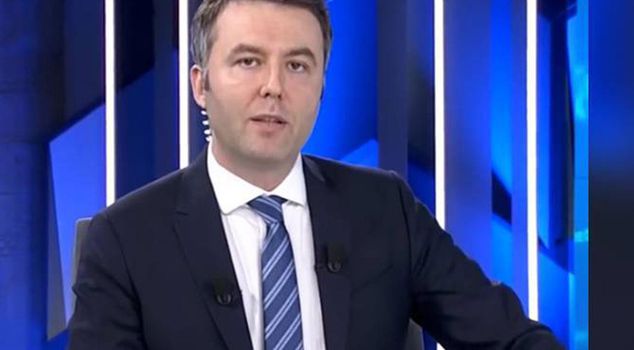
Former Habertürk TV Editor-in-Chief Mehmet Akif Ersoy, who has been detained for approximately 7 months and faces up to 286 years in prison, will appear before a judge for the first time on September 10. Ersoy's lawyer has requested that the hearing be closed to the public and the press.
The first hearing date has been set after the Istanbul 19th Heavy Penal Court accepted the second indictment prepared against former Habertürk TV Editor-in-Chief Mehmet Akif Ersoy and 7 other defendants on charges including "aggravated sexual assault" and "establishing a criminal organization."
FIRST HEARING ON SEPTEMBER 10: FACING UP TO 286 YEARS IN PRISON
The court decided that Mehmet Akif Ersoy, who faces charges of "establishing and managing a criminal organization," 11 counts of "aggravated sexual assault," "trafficking or supplying narcotic or stimulant substances," and "facilitating drug use," with a requested sentence ranging from 11 years and 3 months to 286 years and 2 months in prison, along with the other 7 defendants, will appear before the judge on September 10.
DEFENSE LAWYER'S REQUEST FOR CLOSED HEARING
Meanwhile, Ersoy's lawyer submitted a petition to the Istanbul 19th Heavy Penal Court requesting that the hearing be held behind closed doors. The petition argued that an open hearing could lead to "irreparable harm and a risk of disrupting public order," requesting a confidential trial.
DETAILS FROM THE INDICTMENT
The indictment lists Burcu Akyüz, Dilek Olgun, Melis Asena Özkan, Reyhan Köse, Buse Öztay, Ebru Gülan, Ece Topgül, Elif Kılınç, Gizem Ayabaktı, Meltem Acet, and Şevkiye Dilara Yıldız as "victims," while Mehmet Akif Ersoy, Ahmet Göçmez, Mustafa Manaz, Nurullah Mahmut Dündar, Taner Çağlı, Tolga Aykut, and Ufuk Tetik are named as "suspects."
The indictment states that a report received by the Istanbul Provincial Gendarmerie Command on November 2, 2025, contained information that "Habertürk Television Editor-in-Chief Mehmet Akif Ersoy, Ela Rümeysa Cebeci, and former channel employee Merve S. were using narcotic and stimulant substances, that Ersoy organized entertainment-style events where he supplied narcotics and stimulants, and that he and others engaged in sexual relations with women after weakening their will by making them use drugs."
Following this report, investigation procedures regarding the criminal organization were initiated, according to the indictment. It notes that based on reports received by the Istanbul Provincial Gendarmerie Command, the acts were committed within the scope of an organization, led by defendant Mehmet Akif Ersoy and composed of certain members mentioned in the account.
The indictment explains that the criminal organization frequently used the effects of cocaine, a narcotic substance, on both female victims and organization members. It states that organization leader Ersoy regularly supplied drugs, organized parties with organization members he knew from his friend and work circles, and used organization members and victims to satisfy his sexual desires during these parties.
Regarding the formation and structure of the criminal organization, the indictment emphasizes the importance of report contents, testimonies, and findings obtained during the investigation phase. It states, "In the organizational chart of the Istanbul Provincial Gendarmerie Command, Mehmet Akif Ersoy was identified as the organization leader, while Ahmet Göçmez, Mustafa Manaz, Nurullah Mahmut Dündar, Taner Çağlı, Tolga Aykut, and Ufuk Tetik were identified as organization members."
The indictment describes that Ersoy established a criminal organization with defendants he knew from his friend and work circles. In this context, it states that victims were supplied with cocaine, and they gathered to satisfy the organization leader's sexual desires.
Because Ersoy was believed to be connected with influential people due to his industry and position, the other defendants were said to obey him due to this status. The indictment notes that Ersoy controlled and organized the other defendants, and the organization members introduced women in their circles with whom they had emotional relationships to Ersoy, facilitating various methods of engagement, thus turning these individuals into crime victims.
The indictment also states that some organization member defendants were found to have benefited by participating in television programs due to the organization leader's position and industry.
It is reported that the defendants systematically carried out their actions, and statements indicate that narcotics were deliberately made available to victims before engaging in multiple sexual encounters.
PENALTY DEMANDS
The indictment demands Mehmet Akif Ersoy be sentenced to 11 to 27.5 years for "establishing an organization for committing crimes" and "facilitating the use of narcotic or stimulant substances," and no less than 266 years in prison for "11 counts of aggravated sexual assault in a chain" and "trafficking or supplying narcotic or stimulant substances in a chain."
Defendant Ahmet Göçmez faces no less than 100 years for "manufacturing and trafficking narcotic or stimulant substances" and 5 counts of "aggravated sexual assault," and 7 to 15 years for "membership in an organization established to commit crimes" and "facilitating the use of narcotic or stimulant substances."
The indictment proposes that defendants Nurullah Mahmut Dündar, Mustafa Manaz, Taner Çağlı, and Tolga Aykut be sentenced to varying terms of 7 to 15 years and no less than 51 years for "manufacturing and trafficking narcotic or stimulant substances," "aggravated sexual assault," "membership in an organization established to commit crimes," and "facilitating the use of narcotic or stimulant substances," while defendant Ufuk Tetik faces 2 to 5 years for "membership in an organization established to commit crimes."
The prepared indictment also includes information that suspects Veyis Ateş, Ali Yaşar Koz, Umut Evirgen, Emrullah Erdinç, Steven Sadettin Saran, Hasan Dereci, Şakir Tekin, Yusuf Timur Savcı, Burcu Akyüz, and Ela Rümeysa Cebeci have been separated from the case regarding charges of "drug trafficking" and "facilitating drug use by providing space," with separate investigations ongoing against them.